Sourcing acrylic-cotton knitting yarn from China
Acrylic-cotton hand-knitting yarn from China classified under heading 5511 pays 0% UK duty across the relevant lines. Retail fibre composition labels must identify the blend; confirm permitted fibre names with Trading Standards before printing. Confirm the blend and retail packaging before choosing the code. Cambridge China Bridge sources acrylic-cotton hand-knitting yarn.
Buying from China for a business? How our UK China sourcing agent service works · China sourcing agent for small orders and first imports
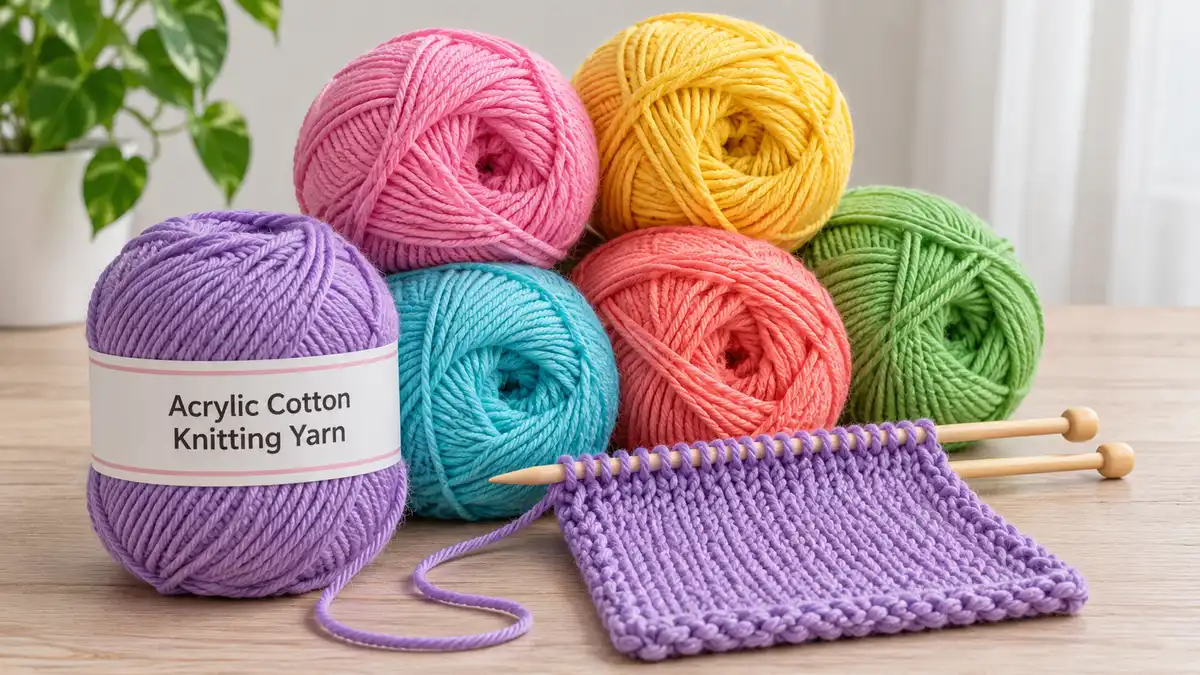
Duty on retail acrylic-cotton yarn
Heading 5511 covers yarn of man-made staple fibres, other than sewing thread, put up for retail sale. For acrylic-cotton blends, establish which fibre predominates by weight. Cotton-predominant yarn belongs outside this heading. The table repeats the relevant codes for retail balls and hanks; these are packaging examples, not separate tariff subdivisions.
Read from the UK Trade Tariff on 2 October 2026, the relevant Chinese-origin lines carried 0% duty. Code 5511 10 00 00 covers synthetic staple yarn containing 85% or more synthetic fibre by weight; 5511 20 00 00 covers less than 85%. The supplied tariff record lists no anti-dumping or countervailing duties, suspensions or attached import controls.
Send the tested blend, yarn construction and ball or hank weight to your customs broker to confirm the commodity code. Retail presentation depends on the tariff's packaging rules, so a ball band alone does not settle classification. For wider coverage of this heading, see the acrylic-wool blend knitting yarn guide.
| Goods | Commodity code | Duty | Anti-dumping or countervailing duty on China |
|---|---|---|---|
| Retail acrylic-cotton yarn balls, under 85% synthetic fibre, acrylic predominant | 5511 20 00 00 | 0% | None |
| Retail acrylic-cotton yarn balls, at least 85% synthetic fibre | 5511 10 00 00 | 0% | None |
Specify the blend and knitted result
Specify acrylic and cotton content by weight, yarn count, ply construction, twist, net ball weight and metres per ball. Agree shade references, dye-lot identification, winding style and packaging. Approve a knitted and washed sample, recording stitch definition, splitting, pilling, shrinkage and handle against the intended pattern.
Consumer yarn labels must state fibre composition; confirm permitted fibre names with Trading Standards. Check the blend before printing ball bands. For yarn sold by weight in constant nominal quantities, packaged-goods rules apply; importers must ensure applicable packs are packed and labelled correctly. Agree the conditioning and weighing method with the factory.
Importers placing consumer products on the UK market must demonstrate compliance with relevant safety requirements. Keep the approved specification and matching test evidence together. Include colour fastness and a laboratory assessment of chemical testing appropriate to the dyes, finishes and intended use.
Worked duty example
Illustrative example, not a quote: Illustrative order: 4,000 balls of 100 g acrylic-cotton hand-knitting yarn, acrylic predominant and under 85% synthetic fibre; FOB and freight values are illustrative under 5511 20 00 00, invoiced at £2,200 free on board, with £1,200 of freight and insurance to the UK. The customs value is £3,400. Duty at 0% is £0. Import VAT at 20% is charged on the customs value plus duty, £3,400, so it is £680. With no duty, the only import tax is the VAT, which a VAT-registered importer can usually reclaim. The import duty and VAT guide explains each step.
Inspection checklist
Blend and quantity: test fibre composition, condition and weigh sampled balls without their bands, and check actual yarn length against the declared metres.
Shade and washing: compare samples from each dye lot with the approved shade; wash knitted swatches to check colour transfer, shrinkage and changes in handle.
Knitting and winding: knit from sampled balls, checking splitting, uneven thickness, knots, breaks, pilling and whether the yarn unwinds cleanly.
Bands and cartons: check fibre names, composition, net weight, metres and dye-lot identifiers against the approved artwork and carton contents. Keep a retained sample from each lot. See quality inspection explained.
Working out your own order? Send us the product on WhatsApp and we reply the same working day: WhatsApp us
What goes wrong
A sample can knit well while production yarn has a different twist or blend. Loose plies split on the needle, uneven yarn changes stitch size, and shorter balls leave customers without enough yarn for a pattern. Different dye lots can create visible stripes when used in the same garment.
Set acceptance criteria against the approved knitted sample and inspect production yarn before shipment. On arrival, keep dye lots separate and repeat the weight, shade and knitting checks before releasing stock. Hold mismatched labels or lots for investigation rather than mixing them into saleable stock.
Cambridge China Bridge sources these products for UK businesses, checking the factory and the documents before shipment. See factory verification. For repeat volumes, see container programmes.
Frequently asked questions
What is the UK import duty on acrylic-cotton yarn from China?
The relevant retail yarn lines under heading 5511 carried 0% duty on 2 October 2026, with no listed anti-dumping or countervailing duty. Confirm that the blend and packaging belong in this heading.
Does cotton-rich knitting yarn use the same commodity code?
A cotton-predominant blend belongs outside heading 5511. Give your broker the tested fibre composition and retail packaging details before choosing the code.
What must an acrylic-cotton yarn label show?
The label must show fibre composition. Confirm permitted fibre names with Trading Standards. Check the acrylic and cotton content before printing. Also agree net weight, metres, dye-lot identification and knitting information for the ball band.
How do I check acrylic-cotton yarn before accepting delivery?
Check composition, conditioned net weight, metres and dye-lot shade. Knit and wash sampled yarn to assess splitting, pilling, colour transfer and shrinkage against the approved sample.