Sourcing Acetylated Lanolin from China
Acetylated lanolin entered under heading 1505 carries 0% UK duty from China, with no duty variation across the heading. The tariff attaches veterinary control: confirm the import route for the intended use before shipping, especially for cosmetic manufacture. Cambridge China Bridge sources acetylated lanolin.
Buying from China for a business? How our UK China sourcing agent service works · China sourcing agent for small orders and first imports
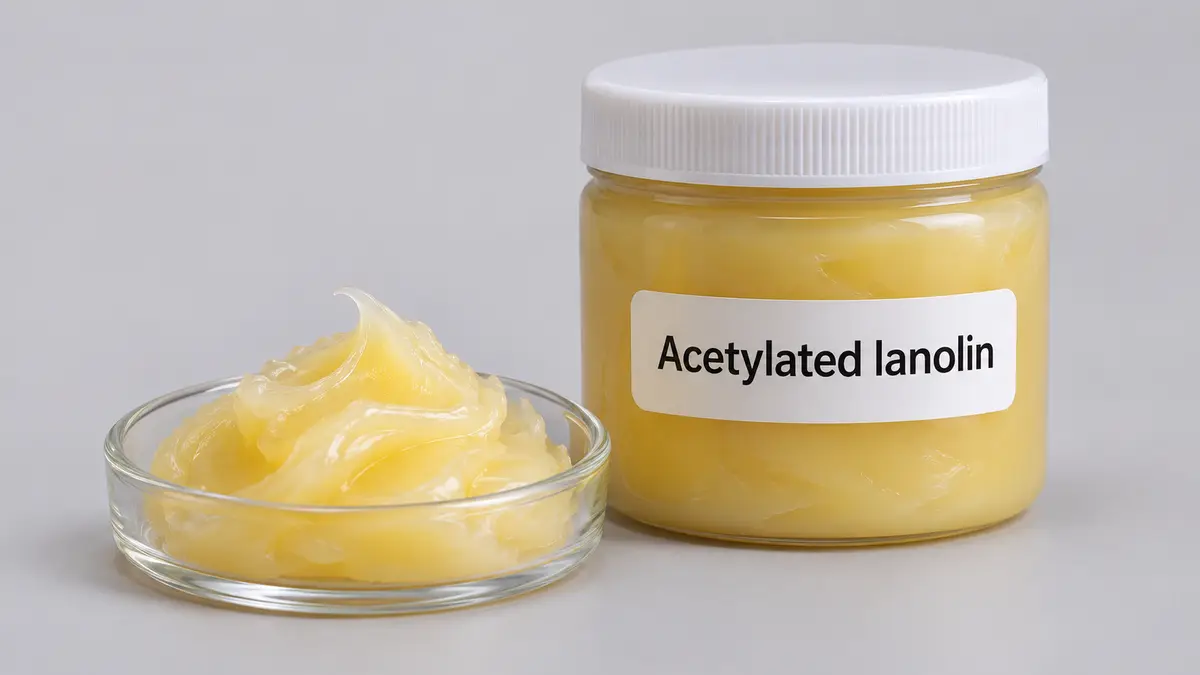
Zero duty, with veterinary control
Read from the UK Trade Tariff on 4 October 2026, heading 1505 covers wool grease and fatty substances derived from it, including lanolin. The other-derived-substances line, 1505 00 90 00, carries 0% duty for goods from China. The supplied tariff record lists no anti-dumping or countervailing duty and no suspension. This is the relevant candidate line for acetylated lanolin; confirm the actual composition and processing before declaring it.
The tariff attaches veterinary control. APHA permits wool grease and its derived fatty substances from any country, but ask APHA and your broker whether the cosmetic intermediate-product route applies to your grade. Under that route, products must come from an establishment approved to export to Great Britain. APHA's general guidance requires entry through an approved border control post. Confirm pre-notification, the entry document and supporting paperwork before dispatch.
The tariff also attaches import and export waste controls. If the consignment is waste subject to notification controls, shipment to England requires consent from the Environment Agency and the other competent authorities involved. Ask your broker to confirm applicability. Check the commodity code using the composition and intended use. For related heading coverage, see lanolin alcohols. Only the relevant supplied line is shown here.
| Goods | Commodity code | Duty | Anti-dumping or countervailing duty on China |
|---|---|---|---|
| Acetylated lanolin, subject to confirmation of classification | 1505 00 90 00 | 0% | None |
Specify the acetylated ingredient
Specify acetylated lanolin explicitly, rather than accepting an unspecified lanolin derivative. Request the chemical identity, manufacturing description, degree of acetylation, any carrier or added ingredients, and a batch certificate of analysis. Agree acceptance criteria and test methods for acid value, peroxide value, moisture, colour, odour and residual processing materials. Trial the sample in your intended formulation and retain it as the comparison sample.
Ask for storage instructions, shelf life, drum lining details and batch traceability. For cosmetic use, request impurity and pesticide-residue information for the finished acetylated material. Confirm finished-cosmetic safety assessment requirements with the relevant product safety authority; a raw-material certificate does not establish the suitability of your finished formulation. Use testing and certification support to define the evidence you need.
Worked duty example
Illustrative example, not a quote: Illustrative order: 4 tonnes of acetylated lanolin in drums under 1505 00 90 00, invoiced at £36,000 free on board, with £1,400 of freight and insurance to the UK. The customs value is £37,400. Duty at 0% is £0. Import VAT at 20% is charged on the customs value plus duty, £37,400, so it is £7,480. With no duty, the only import tax is the VAT, which a VAT-registered importer can usually reclaim. The import duty and VAT guide explains each step. This assumes the goods are standard-rated for VAT. Most food for human consumption is zero-rated, and animal feed can be too, in which case no import VAT is due, so check the rate for your product in HMRC's VAT Notice 701/14.
Inspection checklist
Identity: check that the drum labels, invoice and batch analysis identify acetylated lanolin and disclose any blend components.
Batch quality: compare acid value, peroxide value, moisture, colour and odour with the agreed specification and retained sample.
Packaging: check drum seals, lining condition, leakage and contamination before accepting the delivery.
Documents: match the batch identifiers across the analysis, packing list and import paperwork. Agree the sampling brief through the quality inspection guide.
Working out your own order? Send us the product on WhatsApp and we reply the same working day: WhatsApp us
What goes wrong
A supplier may offer an unspecified derivative or blended grade under a broad lanolin description. The sample may work in your formulation while the delivered batch differs in colour, odour or processing consistency. Treat missing identity information, unexplained analysis changes and unapproved ingredients as reasons to hold the batch pending investigation.
Oxidation and moisture are established lanolin quality concerns. Compare arrival samples with your retained sample rather than relying on appearance alone. A separate failure is agreeing veterinary paperwork only after dispatch: settle the intended use, processing description and import route while reviewing the supplier's documents.
Cambridge China Bridge sources these products for UK businesses, checking the factory and the documents before shipment. See factory verification. For repeat volumes, see container programmes.
Frequently asked questions
What is the UK import duty on acetylated lanolin from China?
Under 1505 00 90 00, the supplied tariff record gives 0% duty, with no anti-dumping or countervailing duty. Confirm classification for the actual product.
Does acetylated lanolin need veterinary paperwork?
The tariff attaches veterinary control. Ask APHA and your broker to confirm the route, pre-notification and documents for your processing grade and intended use before dispatch.
What should an acetylated lanolin specification include?
Chemical identity, degree of acetylation, added ingredients, agreed test methods, acid and peroxide values, moisture, colour, odour, storage instructions and batch traceability.
Is a supplier's cosmetic-grade certificate enough?
Use it as batch evidence against an agreed specification. Request impurity information and trial the ingredient in your formulation; confirm finished-cosmetic safety assessment requirements with the relevant product safety authority.