PSTI: importing smart and connectable products into the UK
PSTI applies to consumer products that can connect to the internet, and to network-connectable products meeting set conditions, and its security requirements have applied since 29 April 2024. A product that merely pairs with one other non-internet device sits outside it. Cambridge China Bridge audits factories and inspects goods in China with its own staff.
What PSTI covers
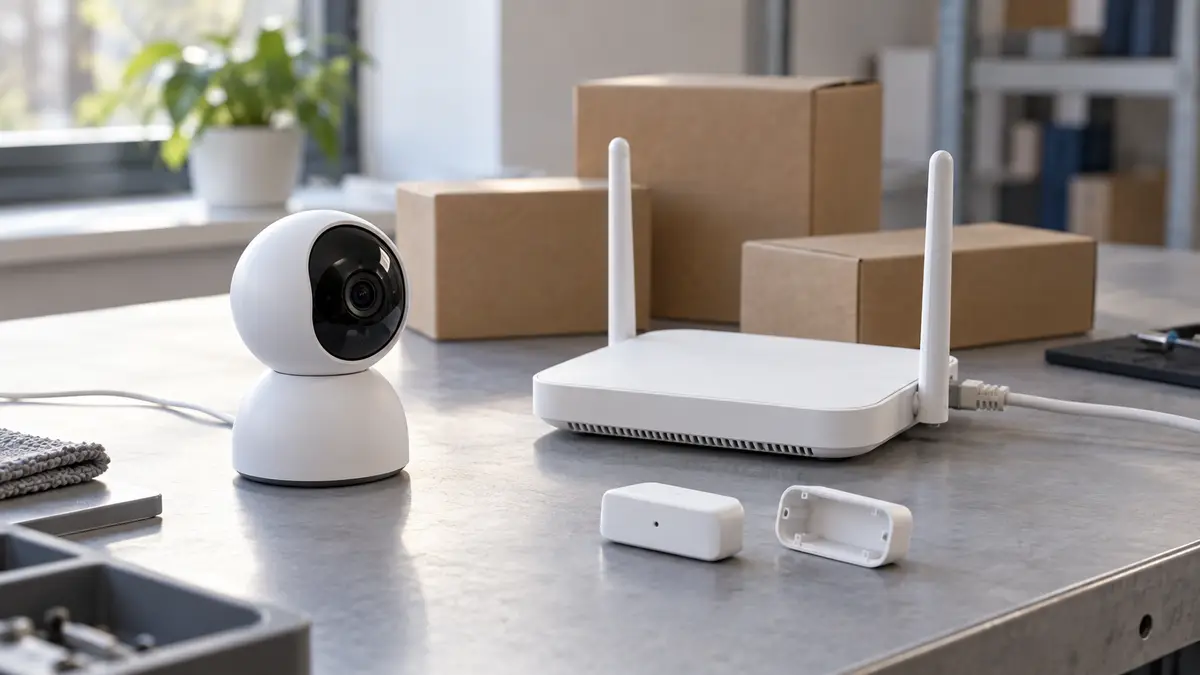
The Product Security and Telecommunications Infrastructure regime applies to consumer products that can connect to the internet, and to network-connectable products that meet specific conditions — smart plugs, cameras, speakers, wearables, lighting and appliances with an app. The security requirements have applied since 29 April 2024. Note that a product which merely pairs with one other non-internet device is not automatically caught.
Several categories are excluded, including desktop and laptop computers and non-cellular tablets, EV charge points, medical devices, smart metering products and motor vehicles. Smartphones and cellular tablets are not excluded — do not assume 'it is a computer' covers a phone. Check the current exclusions before deciding you are out of scope.
If you import a product that is in scope, importer obligations land on you. The Chinese manufacturer also has duties under the regime, so being the importer does not make you the only party a regulator can deal with.
The statement of compliance is the gating document
You may not make a connectable product available in the UK unless it is accompanied by a statement of compliance, and you must keep a copy. Without it you cannot legally sell the product, however good it is.
The statement must contain eight things, not three. Alongside the product type and batch, the manufacturer's name and address, and the defined support period, it must state that it was prepared by or on behalf of the manufacturer, carry the manufacturer's actual declaration that the product complies, identify any standard relied on with its version and date, and be signed and dated with the signatory's name, function and place of issue. The declaration itself is the substantive core — a document listing only product details is not a statement of compliance.
What to ask the factory for, before you order
Ask for the statement of compliance in writing at the quoting stage, along with the declared security update support period and confirmation of how the product handles default passwords and vulnerability reporting. For functionality problems, see our guide to smart device update and cloud failures.
If a factory cannot produce a statement, or offers a generic certificate covering a different model, treat that as a sourcing decision rather than a paperwork problem: you would be the one placing a non-compliant product on the market.
You cannot knowingly supply a failing product
Importers may not supply a product where they know or believe the manufacturer has failed to comply — but that is one duty of several. You must also meet the security requirements yourself, investigate where you are told of a possible failure after supply, contact the manufacturer and notify the enforcement authority where a failure arises, and keep records of those investigations for ten years.
Keep the statement, the correspondence and the model numbers together, so you can show what you checked and when.
Working out your own order? Send us the product on WhatsApp and we reply the same working day: WhatsApp us
Where this fits with other marking
PSTI sits alongside, not instead of, the other requirements for electricals — conformity marking, electrical safety and, for many products, WEEE producer obligations. See our guides on certifications and on WEEE for those.
We ask for security documentation as part of specifying connectable products, so the statement exists before production rather than being chased after the container has sailed.
Security cameras are one of the clearest cases, because the brand, the firmware and the app all sit in different hands; see our CCTV and security cameras guide.
App-connected turntables and audio players are in scope too; see our record players and audio players guide.
Related guides: Sourcing thermostats and controllers from China.
Frequently asked questions
Does PSTI apply if I only import?
Yes. The importer may not make an in-scope connectable product available in the UK without a statement of compliance, and must keep a copy. The overseas manufacturer also has duties under the regime; your importer duties apply alongside them.
What has to be in the statement of compliance?
It identifies the product type and batch, gives the manufacturer's name and address, and states the support period during which security updates will be provided.
Which products count as connectable?
Consumer products that connect to the internet or to another device — smart home devices, cameras, speakers, wearables, app-controlled appliances and lighting among them.