Do free components count in UK customs value?
Yes. Buyer-supplied components incorporated in your imports and materials consumed in production count towards customs value, even when supplied free to the factory. Add only the cost or value missing from the seller’s price. Ask for factory records through Cambridge China Bridge.
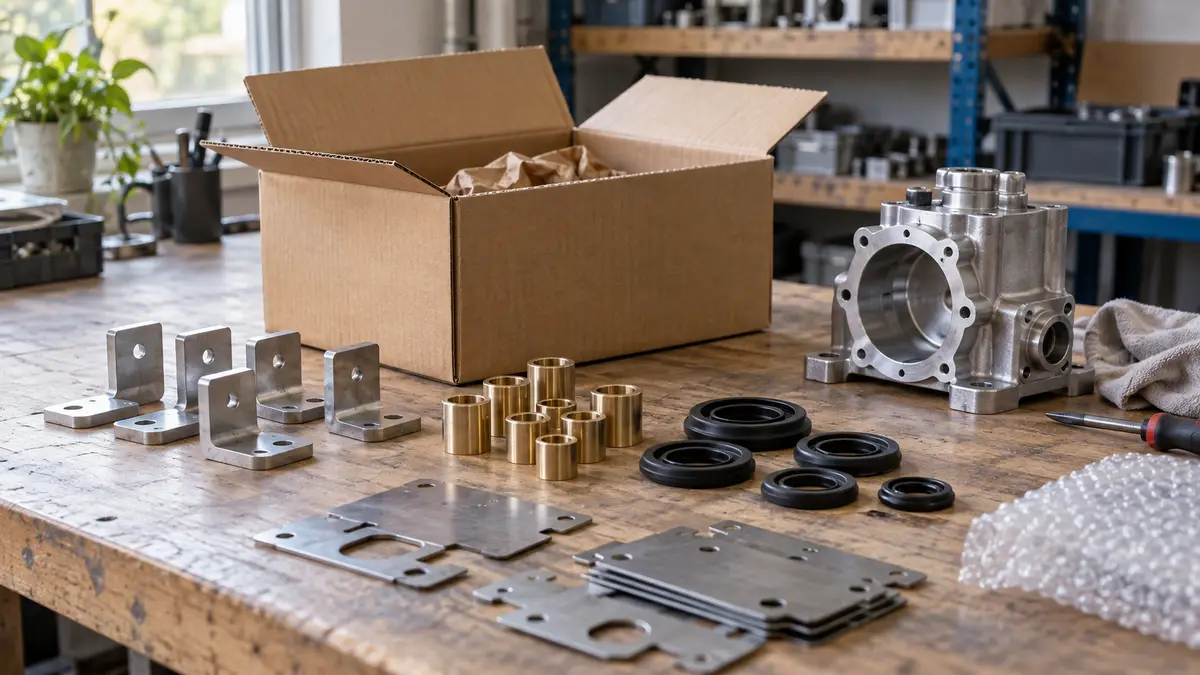
Identify what you supplied
Free to the factory does not mean valueless for customs. Materials supplied by you, or by a third party on your behalf, free or at reduced cost can be assists. Their production or acquisition cost belongs in the customs value whether they become part of the imported goods or are consumed in making them.
Start with a list of what you supplied, who bought or made it, where it was delivered and which products used it. For the broader valuation framework and tooling, see what goes into customs value. For brand licence payments, see brand royalties and customs value. For separately paid tooling, see our guide to mould fees and customs value.
Separate incorporated materials from consumables
Ask the factory to distinguish parts remaining in the finished product from materials used up during manufacture. For example, list your supplied switches against the finished assemblies, and keep a separate usage record for production consumables.
Match receipts, stock issues, finished output and remaining stock before preparing the valuation schedule. Investigate unexplained losses rather than allocating everything delivered to the next shipment. Use reconciling buyer-supplied materials for the stock reconciliation.
Build evidence for the material value
Use the acquisition cost for purchased materials and the production cost for materials you made. A delivery note saying “free of charge” explains the factory arrangement but does not establish that cost. Gather purchase invoices and payment records, or production cost records where you made the materials.
Link those records to material descriptions, factory receipts and the imported product. Give your customs agent a written allocation with its supporting records, including how you treated materials shared across orders. Flag uncertain consumption or unexplained scrap for review before using the calculation.
Check what the factory price already includes
Add only the qualifying cost or value not already included in the seller’s price. Ask for a written breakdown showing whether the quoted amount covers assembly alone, factory-purchased materials, or any buyer-supplied material value. A description such as “complete product” does not answer that question.
Compare the breakdown with the commercial invoice and any separate material charges. Mark each amount as included in the seller’s price or proposed as an addition, with the document supporting that treatment. Resolve overlaps before passing the schedule to your customs agent. For resale arrangements, see supplier profit sharing and customs value.
Working out your own order? Send us the product on WhatsApp and we reply the same working day: WhatsApp us
Hand over the workings before clearance
Send the customs agent the goods invoice, material cost evidence, factory usage reconciliation and valuation schedule together. Ask them to confirm how the additions have been reflected in the declared value. For the surrounding shipment process, see UK customs clearance.
Cambridge China Bridge’s own staff in China can help obtain factory receipts, usage records and price breakdowns. Keep the agreed workings with the shipment file so a later reviewer can trace the material value to the goods imported.
Frequently asked questions
Are components I give the factory free worth nothing for customs?
No. Free supply to the factory does not remove their acquisition or production cost from customs value. Add the qualifying amount not already included in the seller’s price.
Do materials used up in production count?
Yes. Buyer-supplied materials consumed in making the imported goods count even when they do not remain in the finished product. Obtain usage records linking them to production.
What if the factory price already includes my materials?
Do not add the same value again. Obtain a written price breakdown and reconcile it with the invoice and separate charges to identify any amount still missing.
What evidence should I give my customs broker?
Provide material purchase invoices or production cost records, factory receipts and usage records, the goods invoice, and a valuation schedule explaining the allocation and amounts already included.