Factory production problem: what should I ask?
Ask what was observed, how much stock is affected or suspect, where the last verified good output ends, what has been held, and exactly what approval the factory needs. Request records and a named update owner before authorising changes or release. Cambridge China Bridge can coordinate these questions with its staff in China.
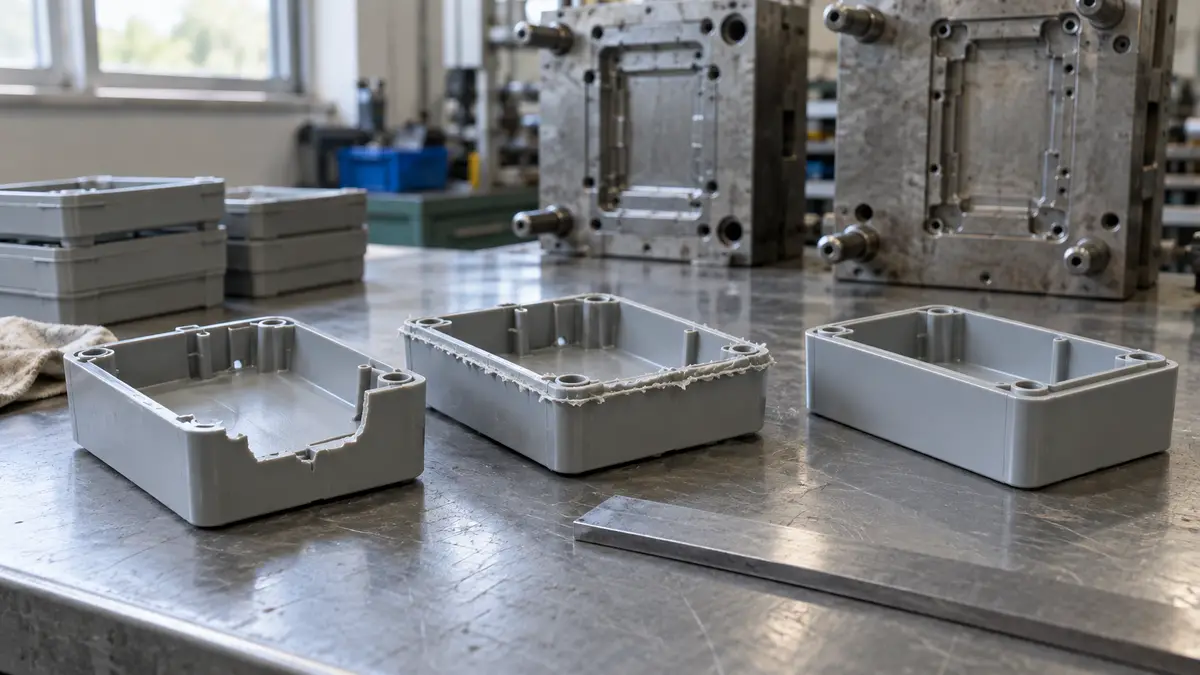
Ask what was actually observed
Reply with: “Which product, order and production stage are involved? What differs from the approved sample, drawing or specification? When and where was it found, and by whom?” Ask for labelled photographs, measurements or test results showing the issue alongside the agreed acceptance requirement.
Keep observations separate from explanations. “The joint opened during testing” describes evidence; “the material supplier caused it” is a proposed cause. Ask what is confirmed, what remains unknown and whether retained samples or records could be lost during sorting or rework.
Separate defective, suspect and checked stock
Ask for quantities by product variant, material lot, production batch and location. Separate confirmed defective goods, goods awaiting checks and goods checked against the relevant requirement. Include work in progress, finished goods, packed cartons and anything already dispatched. Ask how these categories reconcile with the quantity produced.
Ask how many items were examined and how they were selected. A defect count from a sample does not establish the total affected quantity. If the factory cannot yet define the boundary, mark the quantity as unknown and ask which stock is being treated as suspect. Use supplier batch traceability for the supporting record structure.
Find the last verified good output
Ask: “What is the most recent output verified as acceptable for this specific issue? Which check proves that, and which batch, carton or production record identifies it?” Request the check time, result, acceptance criterion and record reference. The last production entry or an earlier approved sample alone does not prove a good boundary.
Ask what changed between that output and the discovery: material, machine settings, tooling, operator, subcontractor or inspection method. Treat these as investigation leads. If no reliable boundary exists, ask the factory to widen the suspect stock and check earlier output rather than assume everything made before discovery is acceptable.
Confirm temporary containment
Ask which process has stopped, which stock is physically segregated and labelled, and who controls movement, packing and dispatch. Request evidence that the hold has been implemented, including at subcontractors or warehouses where relevant. Ask whether apparently unaffected production can continue without mixing stock or repeating the fault. For process dependencies, see our guide to reading a factory production schedule.
Set a written release condition and name the person authorised to lift the hold. Sorting is temporary containment unless evidence shows it reliably detects the defect. For UK consumer products, official guidance says products should only be sold once compliance with product safety regulations has been demonstrated appropriately. If safety may be affected, keep suspect stock on hold while obtaining a product-specific assessment.
Working out your own order? Send us the product on WhatsApp and we reply the same working day: WhatsApp us
Make the decision request explicit
Ask: “What exactly do you need me to approve, by when, and what happens if I do not approve it?” Request the options, the factory's recommendation, supporting evidence and the effects on quality, cost and dispatch. Record the deadline with its time zone. If evidence is incomplete, agree continued containment and the next update instead of giving open-ended permission.
State which goods and action your approval covers, its conditions and who will verify the result. Permission to investigate does not authorise a material substitution, altered acceptance limit or shipment. Keep later work separate: corrective action after an inspection failure covers the response, while corrective-action closure evidence helps assess whether the fix has worked.
Frequently asked questions
What should I ask before approving factory rework?
Ask for the method, stock covered, possible side effects, acceptance checks and who will verify the result. Preserve evidence of the original fault before work starts.
Can the factory ship the unaffected goods?
Consider release only when records and checks support a clear boundary, the goods are separated from suspect stock, and the relevant acceptance requirements are met. Put the release scope in writing.
What if the factory does not know the affected quantity?
Record it as unknown. Ask which stock is held as suspect, how the factory will establish the boundary, who owns that work and when it will report back.
Should I wait for the root cause before replying?
Reply immediately about evidence, scope and containment. Ask for a separate investigation update; do not let an unconfirmed cause delay holding suspect goods.