Can a factory copy a competitor's product?
Do not commission a copy merely because you bought the sample or the factory says it can reproduce it. Check the proposed product against UK rights, obtain any necessary permission and agree ownership of new development work before tooling. Coordinate the factory brief and design records with Cambridge China Bridge.
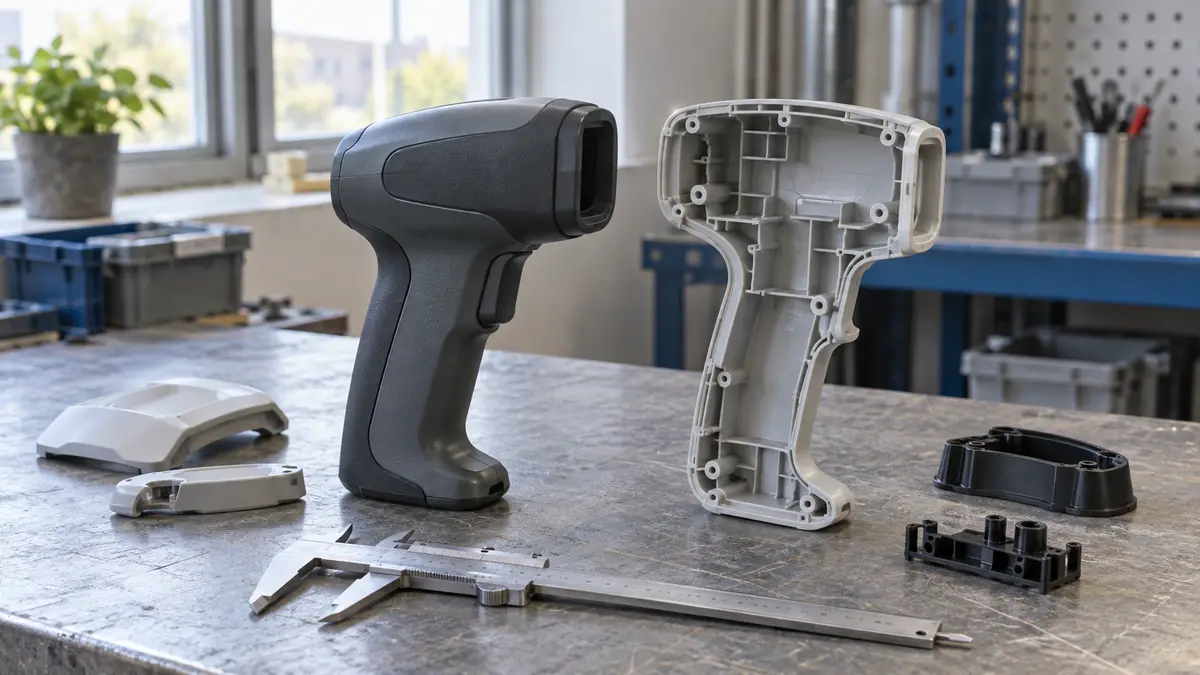
Give the sample a defined purpose
Treat a competitor's sample as a reference for a written development brief, rather than an instruction to reproduce everything. Record where it came from, photograph it and identify the performance you want, the features you propose to retain and the features you intend to develop independently.
Before authorising copying, ask a UK intellectual-property adviser to assess the proposed use of the sample and any accompanying drawings, artwork or instructions. A licence can permit an activity that would otherwise infringe the licensed rights. Keep the sample labelled as a reference and withhold tooling approval while questions remain.
Check rights beyond the competitor's logo
Ask your adviser to review patents, registered and unregistered designs, trade marks and copyright against the actual proposed product. Include its mechanism, appearance, branding, packaging and supplied content. Search UK patent and registered-design records, retaining the search terms, dates, results and documents reviewed.
UK unregistered designs can have protection without registration. An empty register search therefore does not settle the copying question. Ask for a written assessment identifying unresolved rights and the changes or permissions needed before proceeding. For branded goods, also use our guide to avoiding counterfeit products.
Obtain permission for the intended supply chain
If licensing is the chosen route, ask the rights holder for an agreement identifying the rights and product covered. Have your adviser check that the permission covers development, manufacture by the named factory and approved subcontractors, import, sale, intended markets and any planned modifications.
Request evidence that the person granting permission controls the relevant rights. Keep the signed agreement and its attachments with the approved brief. Ask the factory to identify any customer-owned drawings, moulds or artwork it proposes to use; obtain the supporting permission rather than accepting a verbal assurance.
Agree ownership before commissioning development
Separate existing factory material from work created for your project. List drawings, editable files, artwork, software, specifications and tooling in the development agreement. For each deliverable, agree ownership or permitted use, access to source files, modification rights and whether you can move production to another supplier. For software permissions, see our factory software licence checks.
Do not assume a development invoice answers the ownership question. Establish copyright ownership through the contract. A transfer of copyright requires a written agreement signed by its owner. Keep tooling ownership and release arrangements alongside this agreement; our guide to protecting your IP and tooling covers the wider sourcing arrangements.
Working out your own order? Send us the product on WhatsApp and we reply the same working day: WhatsApp us
Keep a design history and a release decision
Keep dated sketches, author names, revision histories, factory messages, comparison photographs and reasons for design choices. Distinguish your original work, licensed material and factory contributions. Preserve rejected concepts as well as the approved design so the record shows how development actually happened.
Use a version-controlled product specification to connect the rights review to the exact sample and drawings approved for tooling. Record who authorised release and on what documents. Recheck proposed changes before production. Cambridge China Bridge's staff in China can coordinate the factory brief and sample records through our product development service.
Frequently asked questions
Can I send a competitor's sample to a Chinese factory?
Define its reference purpose before sending it. Ask a UK IP adviser to review the proposed use and copying, and keep tooling approval on hold until rights and permissions are resolved.
Is a product safe to copy if no design is registered?
An empty register search is insufficient: UK unregistered designs can be protected. Ask for a review of the proposed product, including patents, branding and supplied content.
Can I just remove the logo and change the colour?
Do not use those changes as your approval test. Ask your adviser to assess the revised mechanism, appearance, branding and content against the relevant rights.
Do I own drawings if I paid the factory to create them?
Do not rely on payment alone. Agree ownership and source-file access in the development contract. A copyright transfer needs a written agreement signed by the copyright owner.