Combining China orders for friends or club members
Agree with the broker who will be named as importer and who receives the delivery. Record each member’s goods, ownership and payments, then agree how actual charges will be shared. Do not assume each member gets a separate parcel allowance within a combined consignment. Discuss the shipment plan with Cambridge China Bridge.
Agree the importer before collecting money
Send the broker a description of the arrangement: who orders from the factory, who pays, who owns the goods at import and where delivery goes. Ask them to confirm the proposed importer, delivery recipient and declaration arrangements in writing. A club name or collection address alone does not explain those relationships.
The consignee receives the goods; the importer and declarant have different roles. Use our importer of record guide for those distinctions. Written instructions to the customs representative must state whether they act directly or indirectly. Ask to check the proposed names before dispatch.
Budget for the consignment, not each member
For direct consumer sales, ask your customs broker whether HMRC’s overseas-goods rules apply and whether the £135 test is assessed on the total consignment rather than each item. Do not assume dividing an order between members in your spreadsheet gives each member a separate threshold within that consignment. Follow our consignment value guide for the calculation.
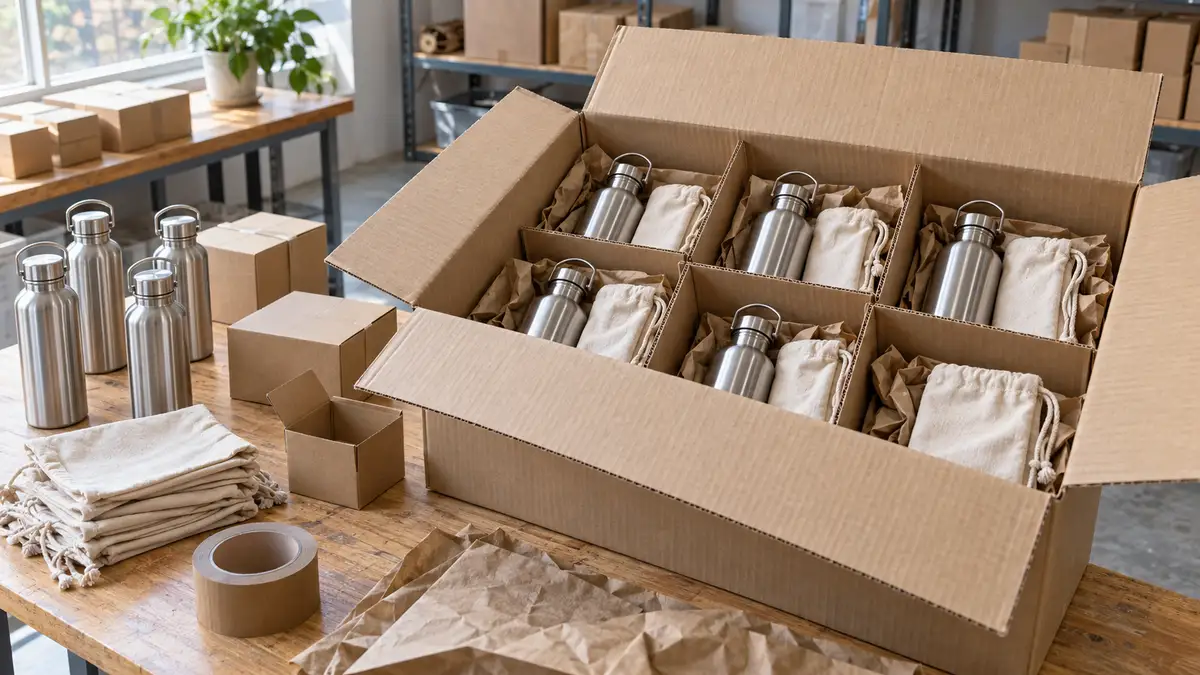
Ask the broker how the actual shipment will be treated, especially if the forwarder combines separately purchased orders. Member-labelled bags inside a shared carton are useful for distribution, but do not assume they establish separate customs consignments. Budget on the basis of purchases and ask the supplier to describe the transaction accurately.
Keep an ownership and payment schedule
Create a schedule linking each member’s name to the product description, variant, quantity, supplier invoice line, agreed goods cost and carton marking. Record whether the organiser buys and later supplies the goods, or arranges purchases for members. Write down the agreed point when ownership passes and retain the documents supporting that arrangement.
Keep member payments, supplier payments and any organiser fee separately identifiable. Match the schedule to the final invoice and packing list using our clearance documents guide. Keep a dated copy when orders change, and record substitutions, cancellations and refunds against the affected member.
Agree how to divide actual charges
Approve the allocation method before taking deposits. Allocate identifiable costs to the relevant goods, then choose a basis for shared costs that reflects what drives the charge. An equal split may suit similar orders; bulky or unusually demanding goods need a different approach. The table suggests methods to agree, rather than customs calculations.
Keep estimated charges separate from final invoices. Identify who advances clearance payments, who approves unexpected costs and how balances or refunds will be settled. Ask the customs broker to confirm the importer’s responsibilities under your cost-sharing arrangement. Confirm with HMRC how ownership, intended use and supporting evidence affect any import VAT recovery, using the importer guide to prepare your questions.
| Charge | Suggested allocation | Supporting record |
|---|---|---|
| Goods | Assign each member’s actual invoice lines | Supplier invoice and ownership schedule |
| Freight | Use the weight or volume driving the carrier’s charge | Packing list and freight invoice |
| Duty and import VAT | Ask the broker for a breakdown attributable to each member’s goods | Customs entry and broker’s calculation |
| Shared clearance fee | Use an agreed equal or goods-value split | Broker’s invoice and written group agreement |
| Member-specific delivery or checks | Assign to the member whose order incurred the cost | Relevant invoice or receipt |
Working out your own order? Send us the product on WhatsApp and we reply the same working day: WhatsApp us
Reconcile the shipment before handing goods over
Compare the delivered goods with the member schedule and photograph shortages or damage before distribution. Give each member a statement showing goods cost, allocated charges, payments received and the remaining balance or refund. Record collection or onward delivery so a later claim can be traced to the relevant goods.
Keep the supplier invoice, packing list, customs entry, carrier and broker bills, payment records and allocation schedule together. If a charge looks wrong, ask the broker to explain the entry before changing members’ balances. Agree in advance how the group will share any later correction, refund or supplier compensation.
Frequently asked questions
Does each club member get a £135 allowance?
Do not assume so. Ask your customs broker whether the threshold applies to the total consignment for the direct consumer sales covered here. Do not assume a member-by-member spreadsheet creates separate customs consignments.
Should the organiser be named as importer?
Ask the broker to confirm an arrangement matching the purchase and ownership documents. Explain whether the organiser buys the goods or arranges purchases for members, and identify the delivery recipient separately.
Can we split all import charges equally?
Agree that approach before collecting money. It may suit similar orders, but allocate identifiable costs to the relevant goods and consider weight or volume for shared freight.
What records should I give each member?
Provide their goods list, allocated charge breakdown, payments and final balance or refund. Keep the underlying shipment records together and record who collected each member’s goods.