China trial shipment to repeat overseas containers
Accept the trial at destination, reconcile actual costs and use demand to plan repeat containers to your own port. Confirm packing, reserved factory capacity, programme staffing and replenishment dates in writing. Your trial records can stay with the same sourcing team at Cambridge China Bridge.
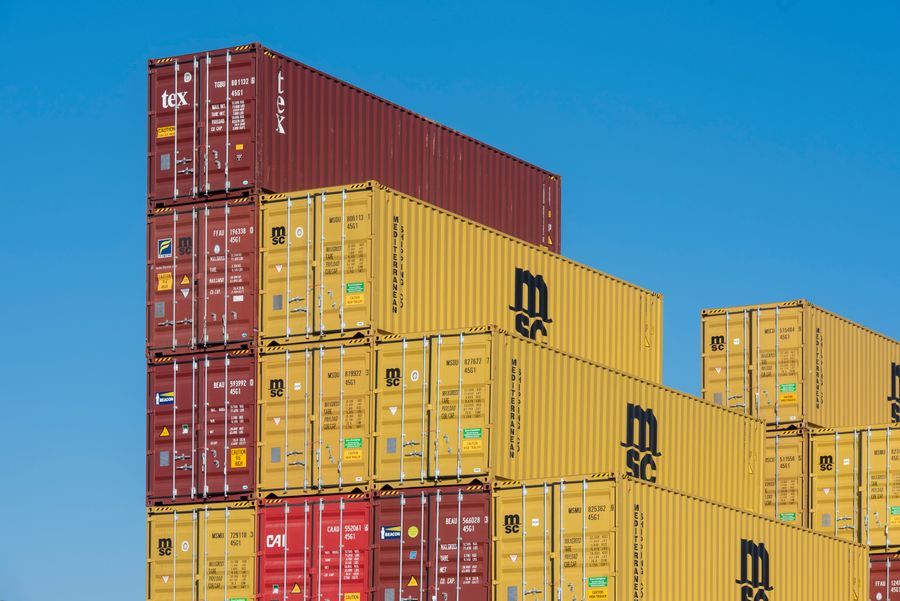
Turn the trial into a repeat-order brief
Assess the trial after arrival and use, rather than relying only on the inspection before shipment. Record accepted quantities, damage, defects, customer feedback and unresolved corrective actions. Keep the approved specification and packing version alongside the findings. Our small-order service can support this trial; the MOQ and sampling guide explains how to prepare it.
Write a repeat-order brief showing what stays approved, what needs correction and what needs another trial. Use actual sales or consumption to choose the product mix, rather than filling a container with slow-moving variants. The guide on when to scale up helps assess readiness; the next step is translating that decision into a shipment plan.
Replace estimated destination costs with actual bills
Collect the trial invoices from the supplier, sourcing company, forwarder, broker, terminal and receiving warehouse. Separate goods, China-side handling, freight, insurance, destination handling, clearance, broker-confirmed taxes and onward delivery. Mark unexpected storage, damage and rework separately. Compare the total with usable stock received, so rejected goods do not make the apparent unit cost look better.
Ask for a repeat-container quote to your named destination port with inclusions, exclusions, payer and quote validity written down. Keep port-arrival costs separate from costs to make stock available for use or sale. Ask your own customs broker to confirm destination rules, product evidence, documents and applicable charges. Requote container freight and local handling rather than extending the trial shipment's unit cost.
Approve packing before choosing the container quantity
Ask the factory and forwarder to build a loading plan from measured packed dimensions and weights. Include pallets, protective materials, loading access and the receiving team's unloading method. Compare usable units carried with handling and damage risk. Excess packaging can add cost, but removing protection just to fit more goods can undermine the trial's quality result.
Approve any revised carton, pallet or product arrangement before the repeat batch is packed. Ask for a packing trial, photographs and a revised packing list, then check that the goods remain protected during handling and transport. Keep the approved version in the repeat-order brief so later shipments do not quietly change the container quantity or receiving workload.
Confirm capacity for the whole programme
A successful trial shows what the factory delivered for that batch. For repeat containers, ask which production line, material supply, finishing process and packing team will support your schedule. Check existing commitments and bottlenecks against your product mix. Use capacity checks in a factory audit to assess the evidence behind the proposed output.
Separate a demand forecast from orders you have authorised. Obtain written confirmation of reserved capacity, material commitments, production slots and the point after which changes affect cost or dates. Name the person responsible for each commitment. Agree how shortages, subcontracting proposals and missed milestones will be raised before they disrupt the next shipment.
Plan backwards from stock availability
Start with when you need usable stock at your destination, then work backwards through collection, clearance, port handling, sea transit, loading, inspection, packing, production and materials. Record the target arrival at your named port separately from the stock-available date. Ask the forwarder and your broker to review their parts of the schedule; label estimates and confirmed bookings clearly.
Use the trial's actual elapsed time, current demand, usable stock and goods already on order to decide when to release the next order. The reorder-point guide explains that calculation. Agree a response to late production or a missed sailing, including who approves revised dates or extra freight spending. Review the plan after each arrival.
Keep the same team, with written responsibilities
Cambridge China Bridge supports UK and overseas buyers through its own staff in China. The same sourcing team can carry the trial specification, findings and supplier records into a container programme. If you already buy from the factory, discuss existing-supplier support. Confirm programme staffing and availability in writing before committing to the schedule.
Name the buyer's decision-maker, sourcing coordinator, China-side production and inspection contacts, forwarder and destination broker. Agree reporting dates, release authority and escalation arrangements alongside capacity and shipment dates. Maintain a shared record of approved versions, costs and actions. Use a repeat-order supplier scorecard to turn each arrival's findings into decisions about the next order.
Frequently asked questions
Do I need a full container immediately after a trial?
No. Match the next order to accepted quality, actual destination costs, demand and cash available. Use another trial or a smaller shipment if packing or product corrections remain unresolved.
Can a UK sourcing company arrange delivery to my own port?
Discuss direct shipping from China to your named destination port. Get the delivery scope, destination charges and responsibilities confirmed in writing, with your own broker reviewing destination rules.
Does a successful trial guarantee repeat factory capacity?
No. Confirm production slots, materials, packing capacity and existing commitments for the repeat schedule. Get reserved capacity and dates in writing rather than relying on the trial's completion date.
What should I send to start a repeat-container programme?
Send the trial acceptance record, actual destination bills, approved specification and packing, current demand and stock position, named destination port and desired stock-available dates.