Witness statement for a China purchase claim
Start with the court’s directions and record each filing and service deadline. Write a factual witness statement, link it to clearly labelled exhibits, and prepare an indexed bundle with consistent page references. Check the current statement of truth before signing. For factory records, contact Cambridge China Bridge.
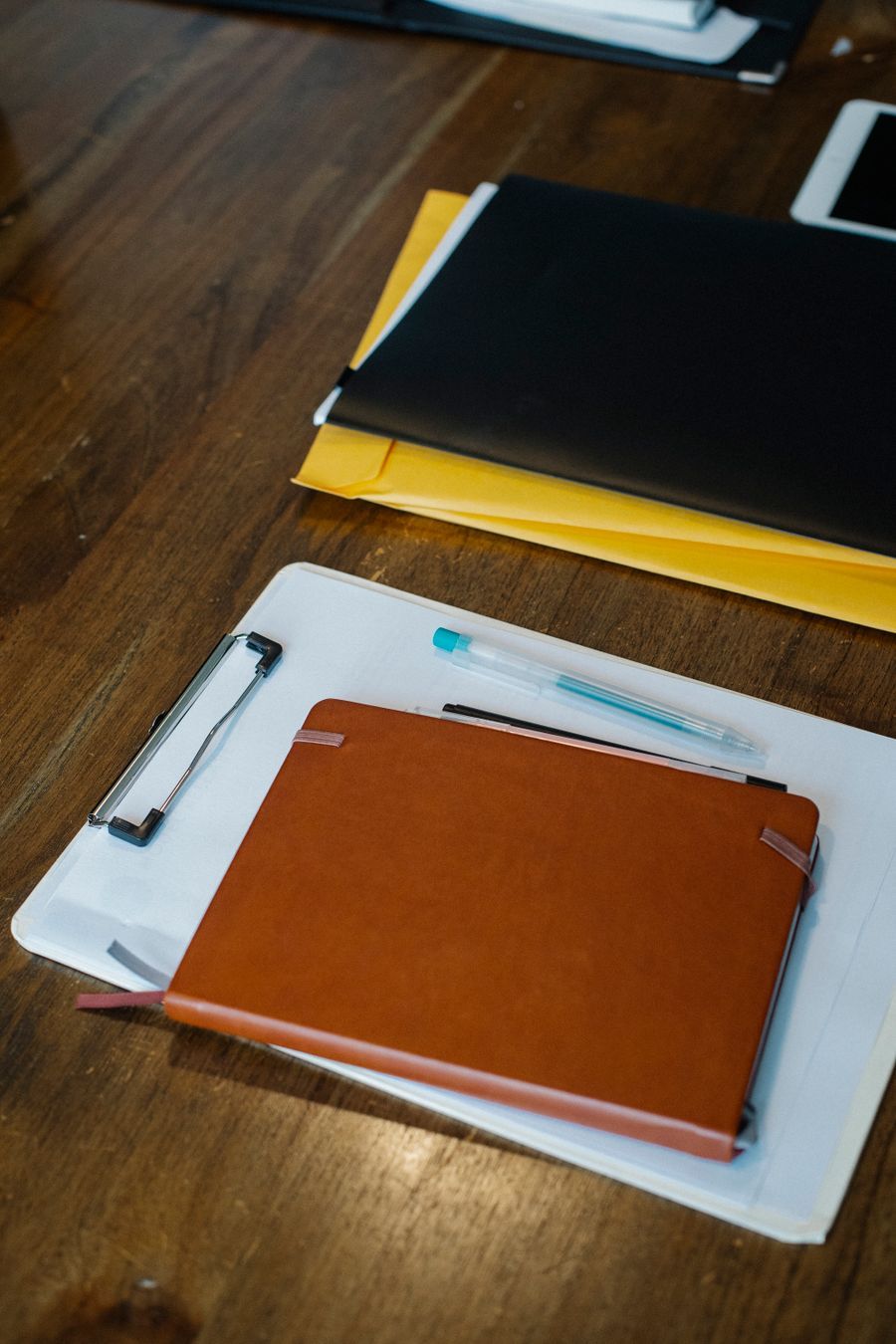
Turn the court’s directions into a working checklist
This guide concerns preparing hearing papers in England and Wales for a personal purchase of China-made goods from a UK seller. Scotland and Northern Ireland have different procedures. For complaints and starting proceedings, use our UK seller dispute guide. If the contracting party is unclear, check our seller or agent guide.
Read the latest court order and hearing notice together. Record what each direction asks for, who must prepare it, who must receive it, and the deadline, including any stated time. Separate witness statements, supporting documents and any later hearing bundle. Ask the court office about unclear filing instructions and seek legal advice about procedural uncertainty.
Build a chronology that points to the evidence
Create a working chronology with columns for the date, event, person involved, supporting document and disputed point. Follow the purchase through the advertised description, order, payment, delivery, discovery of the problem, complaint and seller’s response. Distinguish a message’s date from the date of the event it describes.
Use the chronology to find gaps before drafting. Connect each claimed expense to its receipt and explain any refund or credit. For returned goods, connect the authorised address, packing record, posting receipt and delivery record; our personal purchase return guide covers collecting those records. Mark uncertain dates as uncertain rather than guessing.
Write what each witness actually knows
Use the court and claim details as your heading, identify yourself and your involvement, and write a clear account in your own words. Number paragraphs and pages to make references easy to follow. Explain what you ordered, what you received, what you observed and what you did next. Describe the actual fault rather than relying on a label such as defective.
Separate personal observations from information supplied by someone else, identifying that person or document. If another person unpacked, inspected or returned the item, ask them to prepare their own factual account where the directions call for witness evidence. Keep technical conclusions separate from observations. In a small claim, expert evidence, whether written or oral, needs the court’s permission.
Label exhibits and assemble a usable bundle
Give each supporting exhibit a distinct label and descriptive title. Refer to that label where the statement explains the document’s significance. Preserve complete relevant message exchanges, sender details and attachments. Caption photographs with who took them, when and what they show. Keep original files separately, and check translation arrangements before relying on Chinese-language records.
Follow any ordered bundle layout. As a practical working arrangement, group the court papers, chronology, witness statements, exhibits and loss schedule behind an index. Use consistent page references and check them after assembling the final file. Open every page to check legibility, orientation and missing attachments. Ask about the court’s arrangements for videos or physical items before sending them.
Working out your own order? Send us the product on WhatsApp and we reply the same working day: WhatsApp us
Check the declaration, then file and serve
Use the complete current witness-statement declaration in the official evidence practice direction listed in Sources. Check the whole wording rather than copying a shortened template. Read the statement and exhibits before signing your own account. The statement of truth must be dated with the date it was signed. Keep a copy of the signed version.
Frequently asked questions
Is my witness statement the same as my claim form?
Use the statement to explain your factual account and its supporting exhibits. Work through the disputed events rather than simply copying the claim form. Follow the court’s directions.
When do I send my statement and evidence?
Use the dates and any stated times in the latest court directions. Check separately what must reach the court and what must be served on the seller or its representative.
Can I use Chinese messages as evidence?
Preserve the complete relevant exchange and original files. Identify the sender and context, then check translation arrangements with your adviser or the court before preparing the bundle.
Can I include an inspection report?
Keep the report and explain who inspected what. If you intend to rely on it as expert evidence in a small claim, obtain the court’s permission for that evidence.