VAT charged twice on a China order: what to do
Compare the checkout invoice with the arrival bill before calling it duplicate VAT. Separate tax from courier fees, check the actual consignment value, then request correction from whoever collected the mistaken charge. China dispatch records can be checked with help from Cambridge China Bridge.
Identify what each charge actually covers
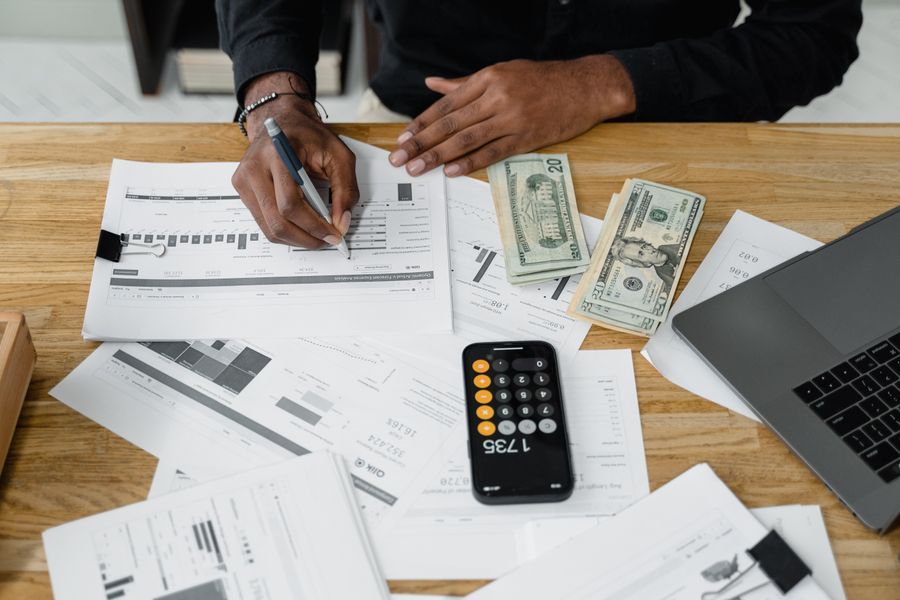
Save the checkout invoice, payment receipt, tracking and arrival bill. HMRC says the delivery company’s bill will identify the fees payable. Ask for separate lines for import VAT, Customs Duty and handling or clearance fees. A bill headed “import charges” does not establish that VAT has been collected again.
Ask the checkout collector whether its charge was UK VAT on the goods, an import-charge deposit or another service charge. Request the calculation and any deposit reconciliation. Compare charges attached to the same goods and tracking reference, rather than assuming similar totals prove duplication.
Reconcile the goods actually dispatched
Match the order lines to the packing list and customs declaration. Check whether the warehouse combined orders, changed quantities or declared the checkout total without separating tax. Ask for the declared value, currency and calculation. Resolve discrepancies with documentary evidence rather than asking the supplier to lower the declared value.
Ask HMRC or your customs broker to confirm how the £135 threshold applies to the whole consignment’s intrinsic value, rather than each item or the final checkout total, and how separately shown or bundled delivery, insurance and identifiable taxes should be treated. Use our consignment value guide to prepare the calculation for confirmation, then compare it with the value used at checkout and dispatch.
Check which VAT treatment fits the purchase
For goods held in China when sold to consumers in Great Britain, ask HMRC or your customs broker to confirm whether VAT should be collected at sale for consignments worth £135 or less and how normal import VAT and customs rules apply above that threshold. Use our marketplace VAT guide to prepare questions about marketplace responsibility and any business-customer exception.
Record whether delivery was to Great Britain or Northern Ireland and whether you supplied a UK VAT registration number when buying. For excise goods, ask HMRC or your customs broker to confirm the applicable treatment before using the ordinary consumer workflow. Ask them also to confirm how the threshold calculation differs from the import VAT calculation covered in our import VAT guide. Ask your accountant to confirm the treatment before selecting a correction route.
Send the correction request to the right collector
If checkout VAT appears inconsistent with the confirmed consignment treatment, ask the seller or marketplace that collected it to review the charge. Attach the invoice, dispatch breakdown and arrival assessment. If the marketplace collected the tax, open the case with its support team rather than relying only on the factory. Request a written explanation and a corrected invoice or refund where appropriate.
If the border assessment appears wrong, ask the courier or customs agent for the declaration and an explanation of the discrepancy. For incorrectly calculated postal charges, HMRC identifies BOR286 for Royal Mail or Parcelforce. For another courier, ask the declarant to establish the appropriate customs repayment route for your registration status. Ask the carrier separately to review its own fees.
Keep the tax correction separate from delivery
VAT-registered businesses cannot reclaim overpaid import VAT through C285 or HMRC’s online repayment services. Ask HMRC to confirm the appropriate VAT return adjustment process for your circumstances. Give your accountant the assessment and reconciliation, and distinguish an actual import VAT overpayment from VAT correctly due. Ask the customs agent separately about any declaration or duty correction.
Before withholding payment, ask the carrier about the parcel’s release and return arrangements. Keep proof of any payment and record each correction request, response and refund against the shipment. Tell the parties about parallel requests so the same charge is not refunded twice. Cambridge China Bridge’s staff in China can help obtain the supplier invoice, packing list and dispatch explanation.
Frequently asked questions
Why am I being charged VAT again on delivery?
First check whether the arrival bill contains import VAT, duty or carrier fees. Compare the consignment value and checkout treatment with the declaration before deciding which charge needs correction.
Should I ask the seller or HMRC for a refund?
Ask the checkout collector to review a checkout error. Investigate a border assessment with the courier or customs agent, then use the appropriate HMRC route. Carrier fees need a separate review.
Does delivery count towards the £135 limit?
Ask HMRC or your customs broker to confirm whether separately shown delivery and insurance should be excluded from intrinsic value and whether they should remain included when bundled into the goods price without separate invoice amounts. Check all goods in the consignment together.
Can my VAT-registered business use C285?
Not to reclaim overpaid import VAT. Ask HMRC to confirm the appropriate VAT return adjustment process. Ask your accountant to handle the confirmed correction and your customs agent to review any separate duty or declaration issue.