China components processed in NI: not at risk?
Yes, potentially. China-made components processed in Northern Ireland must meet HMRC’s additional processing test as well as the applicable duty or scheme conditions. Low turnover or an approved purpose alone does not settle eligibility. Cambridge China Bridge can help assemble the China-side component records.
Separate processing eligibility from import eligibility
HMRC’s processing test is additional to the ordinary ‘not at risk’ conditions. For direct imports from China, goods are automatically ‘at risk’ if the applicable EU duty exceeds UK duty by 3 percentage points or more. Meeting a turnover or approved-purpose test does not remove that restriction.
Under the UK Internal Market Scheme route, the importer of record must be authorised, the goods must not face an EU trade remedy, and direct imports from China must be for end consumers in Northern Ireland. Start with direct imports into Northern Ireland, then give your agent the intended processing and final destination.
Check what counts as processing
HMRC defines processing broadly: alteration, transformation or other operations on goods. It excludes operations to preserve goods in good condition and adding marks, labels, seals or documentation to ensure compliance with specific requirements.
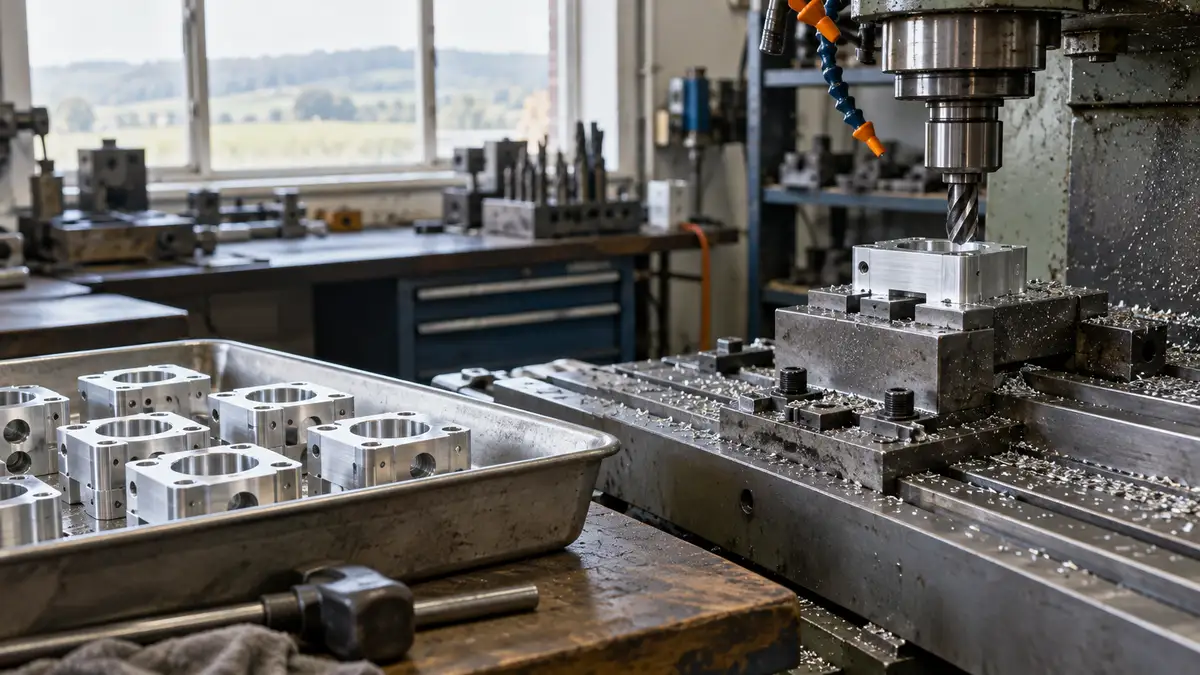
Describe the actual Northern Ireland operation rather than writing ‘components’ on the brief. Include cutting, assembly, finishing or other planned work, the processor’s identity and the output product. Ask your customs agent to assess that description before shipment.
Use the turnover or approved-purpose route
For ordinary components, the relevant alternatives are annual turnover below £2 million or an approved purpose. The application asks for turnover from the most recent complete accounting period. Where a complete period is unavailable, HMRC asks for anticipated turnover and supporting evidence. A small consignment is not evidence of low annual turnover.
Approved purposes cover food for UK end consumers; construction involving permanent incorporation into a Northern Ireland structure; directly providing health or care services there; non-profit activities there without subsequent sale; and final use of animal feed on Northern Ireland premises. For construction, health or care, non-profit activities and feed, the conditions refer to the importer or one subsequent entity. General manufacturing is not itself a listed purpose.
Build a file linking components to their final use
The scheme application requires intended-use and processing details, including processing addresses. HMRC also requires systems that track goods from import to end use. Build a linked file containing the factory invoice, component specification, incoming batch record, processing job sheet, output batch and customer delivery evidence.
For construction, add the project address, installation record and explanation of permanent incorporation. For other purposes, record the actual service or final use and who performs it. These are practical ways to organise evidence, not a universal HMRC document checklist. Use factory-to-customer batch traceability to connect the records.
Working out your own order? Send us the product on WhatsApp and we reply the same working day: WhatsApp us
Agree the evidence handover before dispatch
Under the UK Internal Market Scheme, retain supporting evidence for each consignment for 5 years at an accessible UK address HMRC can visit. HMRC says evidence is supplied when requested rather than routinely. A customer statement should support a traceable destination, not replace the processing records.
Agree who supplies the turnover evidence, processor records and customer confirmation, and who checks eligibility before declaring. Appointing a customs agent helps define that relationship. Cambridge China Bridge’s own staff in China can help gather factory specifications and batch documents; agree responsibility for the Northern Ireland evidence with your processor.
Frequently asked questions
Can China-made components processed in Northern Ireland be not at risk?
Potentially, if they meet the additional processing test and the applicable duty or scheme conditions. Processing in Northern Ireland alone does not establish eligibility.
Is the turnover test based on the shipment value?
No. HMRC’s test is annual turnover below £2 million. Its application asks for the most recent complete accounting period, or anticipated turnover with supporting evidence where a complete period is unavailable.
Does ordinary assembly count as an approved purpose?
Assembly describes the operation, not an approved purpose. Identify the actual final use and check it against HMRC’s listed purposes, or assess the turnover route.
What processing evidence should I ask for?
Ask for the processing address, operation description, batch links, job sheets and final-use evidence. Match these to the turnover or purpose relied on and retain the scheme evidence for 5 years.