Can I buy Chinese antiques containing ivory?
Yes, if the item meets an applicable exemption and is registered or certified as exempt before you take ownership. Buying for your collection does not bypass UK purchase restrictions. Check the actual item against its evidence and resolve separate CITES paperwork before paying. Ask Cambridge China Bridge to help gather the seller’s evidence.
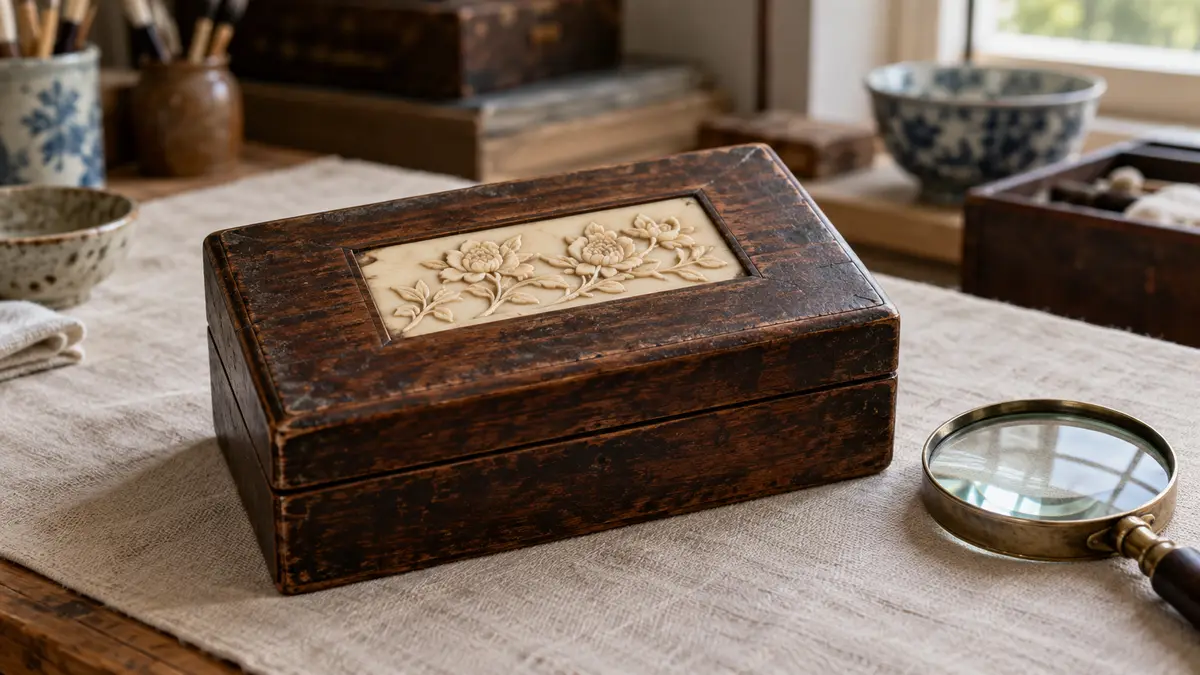
A collection purchase still needs an exemption
The Ivory Act prohibits dealing in ivory, including buying it. For ivory from elephant, hippopotamus, killer whale, narwhal or sperm whale, the item must be registered or certified as exempt. Calling it an antique or buying it for your collection does not remove that purchase restriction.
Ask the seller to identify the material and the exemption being relied on before discussing payment. Our guide to importing antiques covers classification and import taxes. An antique tax classification does not establish an ivory exemption.
Check the route against the actual object
Relevant standard exemptions include musical instruments made before 1975 containing less than 20% ivory by volume, and items made before 3 March 1947 containing less than 10% ivory by volume with all ivory integral. These routes require registration. The age of the ivory alone is not evidence of the finished object’s age.
A separate certificate route covers items made before 1918 with outstanding artistic, cultural or historical value. Age alone does not satisfy that route, and the seller cannot sell the item while merely awaiting the certificate. Ask for dated provenance, an expert assessment, the ivory-content calculation and a repair history.
Match the exemption evidence before ownership
Before taking ownership, check that the item is registered or certified as exempt and meets the exemption conditions. Request the registration reference or exemption certificate and the supporting evidence. Compare the photographs, ivory locations, maker’s marks, serial number, repairs and distinguishing features with the object offered.
Ask how the ivory proportion was assessed. Empty spaces must not be included in the total volume, so an instrument’s hollow body is not material that dilutes its ivory content. Pause if photographs are unclear or the paperwork describes a different object. Use our quality inspection guide to organise the physical comparison.
Resolve CITES separately before paying
An ivory exemption does not settle the separate CITES check. Give APHA the species identification, provenance, photographs, proposed journey and intended use, and ask which import, export or commercial-use documents apply. Annex A specimens can only be imported in exceptional circumstances. Do not assume a personal collection makes the journey exempt.
Official CITES guidance says not to ship, travel with, pay for or enter into contracts over specimens until the correct permit is obtained. Ask your broker to reconcile the item descriptions across the exemption evidence and movement documents before authorising payment or dispatch. Our CITES permits guide explains the wider materials check.
Working out your own order? Send us the product on WhatsApp and we reply the same working day: WhatsApp us
Keep a purchase file and update ownership
Keep the seller’s identity, invoice, correspondence, provenance, photographs, exemption evidence and applicable movement documents together. Record who checked each document and any unresolved discrepancies. Ask Cambridge China Bridge’s staff in China to gather seller records and photograph the object for comparison; refer disputed age or material identification to a specialist.
Once you become the owner of a registered or certified exempt ivory item, you must notify APHA. Provide the item’s registration or certificate reference, your name, postal address and email address. Keep the ownership update with the purchase file.
Frequently asked questions
Can I buy antique ivory for my private collection?
A private collection does not bypass UK purchase restrictions. An item containing ivory from a listed species must qualify for an exemption and be registered or certified as exempt before ownership.
Can I buy an old instrument with ivory keys?
The standard instrument route covers instruments made before 1975 with less than 20% ivory by volume. Check registration, age evidence and the calculation against the actual instrument.
Does an ivory exemption replace a CITES permit?
No. Resolve the separate species and movement checks with APHA before paying or shipping. An ivory exemption does not establish eligibility for a CITES import permit.
What ivory paperwork should I ask the seller for?
Ask for the registration reference or exemption certificate, supporting age and material evidence, photographs and applicable movement documents. Check that they describe the actual item before taking ownership.