Can I book my own courier for China samples?
Yes, if the supplier agrees to hand over the packed sample and your courier accepts the shipment. Obtain final parcel measurements, a written collection agreement, the invoice and clearance instructions, then control who can charge your account. Coordinate the factory handover through Cambridge China Bridge.
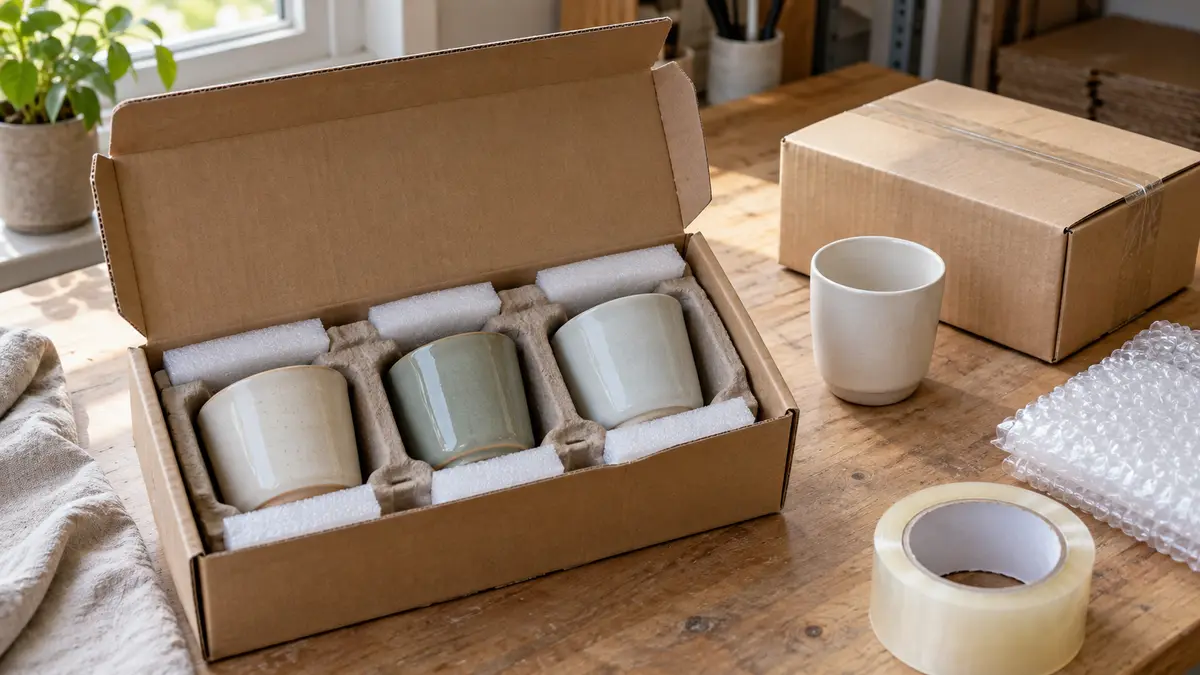
Separate the sample price from delivery
Ask the supplier to quote the sample without international delivery and confirm whether buyer-arranged collection is acceptable. Request separate packing, handling and local transport charges, including any cost of taking the parcel to a courier depot. An expensive delivery quote alone does not establish overcharging.
Compare your courier's complete quote with the supplier's offer for the same packed shipment and destination. Confirm surcharges, clearance fees, cover and who pays duty and import VAT. If you are buying from several factories, consider combining supplier samples before booking separate collections.
Get measurements of the finished parcel
Obtain the outer length, width and height of each finished parcel, with measurement units, gross weight and parcel count. Ask for photographs showing the packaging, scales and measurements. Product dimensions and net sample weight are insufficient for comparing parcel quotes.
Ask the courier how it calculates chargeable weight, including volumetric weight, rounding and remeasurement. Have it confirm acceptance of the actual contents and packaging, especially batteries, liquids or powders. If the factory changes the carton or adds accessories, obtain revised measurements and a revised quote before release.
Agree exactly how collection will work
Get written agreement covering the collection address in Chinese and in the courier's required format, postcode, local contact, telephone number, opening hours and agreed collection window with time zone. Confirm the sample is ready, any payment condition is met, and the factory can print and attach your supplied label and prepare the requested paperwork.
Allocate responsibility for booking, label corrections, loading, a missed collection and any depot drop-off. Agree that the supplier will use your approved booking and seek permission before changing the service or packing. Request collection evidence and tracking after handover. The urgent courier guide covers wider shipment monitoring. For personal purchases, see our guide to buyer-arranged courier transit risk.
Approve the invoice and sample value
Request a draft commercial invoice and packing list before creating the final label. Check supplier and buyer details, sample references, accurate descriptions, materials, intended use, quantities, value, currency and origin. Show freight separately where relevant and reconcile the papers with the packed contents. Use the customs documents guide for the broader document checklist.
For a free sample, ask the clearance team to establish a supported customs value rather than copying a nominal value from the supplier. HMRC says the value can be based on what you would have paid to buy the goods. Calling an item a sample does not automatically secure relief: HMRC makes commercial sample relief conditional on correct preparation before importation. Check suitability before authorising alterations that could spoil your assessment.
Send clearance instructions to the right team
Send the approved papers to the courier's clearance team, identifying the agreed importer separately from the delivery contact and courier account holder. Ask it to acknowledge the importer details, proposed classification, valuation basis, any relief request, VAT treatment and who pays each charge. Identify an available person to answer queries and approve extras. For mixed contents, see courier forms allowing one code.
HMRC requires written confirmation of the terms and conditions of customs representation and retention of the agreement. Obtain this from the party handling clearance; collection approval alone leaves that arrangement unresolved. Ask how you will receive the declaration and relevant import VAT evidence, then check them against your instructions after clearance.
Working out your own order? Send us the product on WhatsApp and we reply the same working day: WhatsApp us
Keep control of your courier account
Prefer creating the booking yourself and sending the supplier only the label, collection reference and necessary documents. Ask the courier whether your account supports collection from China and how it authorises a supplier to use your billing account. Avoid sending your password, login verification codes or payment-card details.
If supplier booking is necessary, use carrier-supported restricted access or shipment-specific authorisation where available. Confirm who can book, which charges they can bill, how approval works and how access is withdrawn. Treat an account number as billing information, not proof of an agreed spending limit. Save the booking and payer selections, review billed shipments and remove access when the work ends.
Frequently asked questions
Can I arrange collection from a Chinese factory?
Yes, if the supplier agrees and your courier accepts the shipment and collection address. Confirm readiness, packing, documents, local contact and any handling charge before booking.
Which dimensions should I ask the supplier for?
Ask for each finished parcel's outer length, width and height, measurement units, gross weight and parcel count. Request photographs and update the quote if packing changes.
Should I give the factory my courier login?
Prefer booking yourself and sending the label and collection reference. If the factory must book, ask the carrier for restricted access or shipment-specific authorisation. Keep passwords and login verification codes private.
Are free samples from China tax-free?
Do not assume so. Agree a supported customs value with the clearance team. Commercial sample relief depends on eligibility and correct preparation before importation.