What is CFR shipping? Cost, freight and risk
CFR means Cost and Freight. The seller arranges and pays freight to the named destination port, but risk of loss or damage passes to you when the goods are on board at the departure port. Seller-arranged cargo insurance is not required under CFR. Ask Cambridge China Bridge to help check the quotation and shipment arrangements.
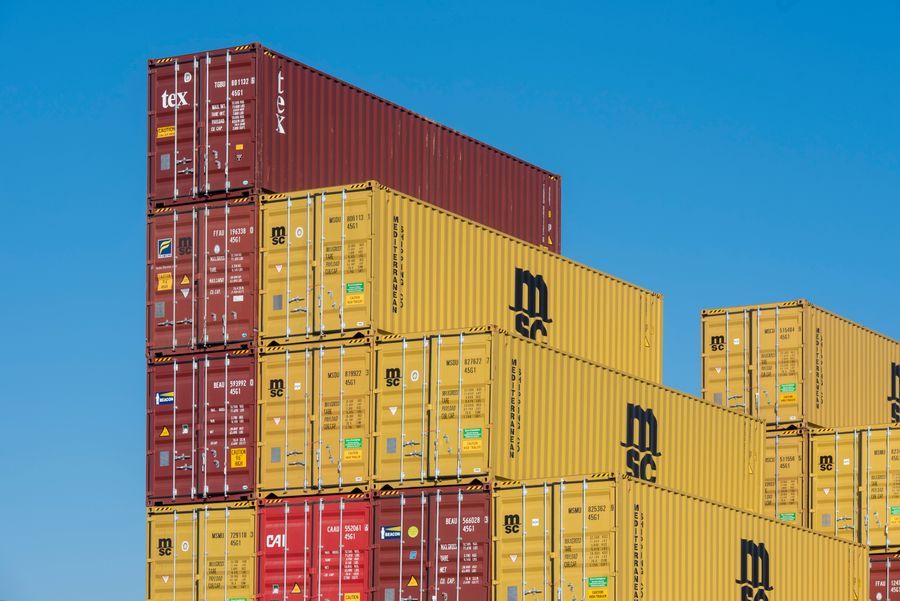
Freight payment and risk transfer happen at different places
Under CFR, the seller pays for carriage to the named destination port. For a China-to-UK purchase, that might be a UK port you have agreed with the supplier. The destination identifies how far the seller pays freight; it does not identify where transit risk passes.
Risk passes when the goods are on board the vessel at the departure port in China. If they suffer transit damage afterwards, that falls within your transit risk even though the supplier paid the freight. Use our Incoterms guide for the wider comparison of shipping terms.
Arrange insurance around the departure point
CFR does not oblige the seller to arrange cargo insurance for you. CIF adds a seller insurance obligation, but both terms transfer risk on board at departure. A freight-paid quotation therefore gives you no assurance that your goods are insured.
Before dispatch, give your broker the departure port, destination, route and loading arrangements. Ask for written confirmation that cover starts no later than your risk transfer and continues through the transport and storage you want protected. Our cargo-insurance guide covers policy checks and claims evidence.
Check what the destination quote actually includes
Ask the supplier to identify the destination port and receiving agent in writing. Request an itemised explanation of unloading, terminal handling, documentation, customs clearance and onward delivery charges. Ask which are already included in the freight contract and which would be billed to you.
Avoid treating CFR as a delivered-to-your-warehouse price. Build your comparison from the goods, freight, insurance and remaining destination costs, checking for omissions and double counting. Our landed-price guide explains how to compare the complete purchase.
Record the agreement before approving shipment
Put CFR, the named destination port and the agreed Incoterms edition in the purchase agreement. Record the departure port separately. Ask for the booking details and transport document showing the shipment and on-board date, then check that these match the route given to your insurer.
Agree who will send loading records, notify you of route changes and coordinate arrival checks. Keep the quotation, charge breakdown, insurance documents and transport records together. Cambridge China Bridge can help coordinate supplier-side records through its own staff in China.
Frequently asked questions
What does CFR mean in shipping?
CFR means Cost and Freight. The seller arranges and pays freight to the named destination port, while transit risk passes to the buyer when the goods are on board at departure.
When does risk transfer under CFR?
When the goods are on board the vessel at the departure port. It does not wait until arrival at the UK port, even though the seller pays freight there.
Does CFR include cargo insurance?
CFR does not require the seller to arrange cargo insurance. Confirm any separately agreed cover in writing and ask your broker to protect your exposure from the on-board risk-transfer point.
Does CFR include UK port charges?
Ask for an itemised breakdown. Check which unloading and destination charges are included in the freight contract and which would be billed separately. Do not assume warehouse delivery is included.