Sourcing Mistelle Grape Must from China
Selected mistelle grape must lines from China carry £10.00 to £17.00 customs duty per hectolitre, depending on strength, colour and container size. Alcohol Duty is separate. Confirm that the product is grape must whose fermentation is prevented or arrested by added alcohol. Cambridge China Bridge sources mistelle grape must.
Buying from China for a business? How our UK China sourcing agent service works · China sourcing agent for small orders and first imports
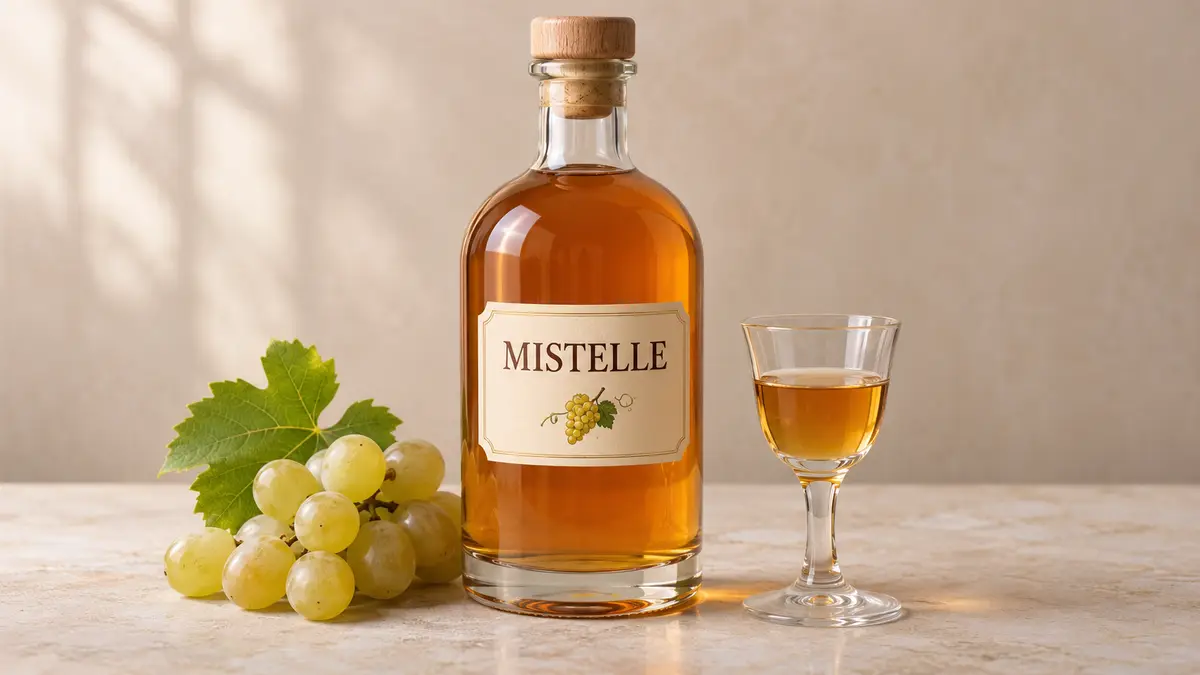
Specific customs duty, plus Alcohol Duty
Read from the UK Trade Tariff on 29 September 2026, heading 2204 covers fresh-grape wine, including fortified wine, and grape must outside heading 2009. This guide concerns mistelle: grape must with fermentation prevented or arrested by added alcohol. The table gives candidate lines from the supplied data, rather than a classification based on the supplier's product name alone.
The selected lines carry £10.00, £15.00 or £17.00 per hectolitre on goods from China, with no anti-dumping or countervailing duty and no suspension recorded. These are volume-based duties, so none supports a percentage-duty worked example. Imported alcoholic products also become liable for UK Excise Duty on arrival; agree the payment or approved warehousing route before dispatch.
The tariff attaches an organic import control. For products presented as organic, confirm with your customs broker whether an inspection certificate is required for release as organic; the exporter's control body issues it. Confirm the paperwork with your customs broker before shipment. Match composition, strength, colour and container capacity when finding your commodity code. See the fortified grape wine guide for the wider product family.
| Goods | Commodity code | Duty | Anti-dumping or countervailing duty on China |
|---|---|---|---|
| Other mistelle, containers up to 2 litres, alcohol over 15% and up to 18% | 2204 21 98 81 | £15.00 per hl | None |
| White mistelle, containers up to 2 litres, alcohol over 18% and up to 22% | 2204 21 97 41 | £17.00 per hl | None |
| White mistelle, containers over 2 to 10 litres, alcohol over 13% to 15% | 2204 22 97 20 | £10.00 per hl | None |
| White mistelle, containers over 10 litres, alcohol over 13% and up to 15% | 2204 29 97 20 | £10.00 per hl | None |
Specify the must and the added alcohol
Record grape variety and origin, colour, whether fermentation started before alcohol addition, the source of the added alcohol, and the complete formulation. State whether the buyer will sell it as a drink or use it as an ingredient. Ask for a production description rather than accepting 'sweet wine' as the specification.
Agree actual alcoholic strength, residual sugar, acidity, sulphur dioxide, sensory profile and acceptable sediment. Specify container capacity, closure, storage conditions and the batch analysis to accompany delivery. For alcoholic drinks above 1.2% alcohol, labels must state strength; allergens must also be declared. Check the intended sales label before approving production.
Inspection checklist
Analysis: compare independently tested alcoholic strength, sugar, acidity and sulphur dioxide with the agreed specification and the supplier's batch report.
Identity: match the grape source, formulation, alcohol addition record and batch identification to the approved sample.
Packaging: inspect seals, closures, fill quantity, leakage, staining and any swelling; compare colour, aroma and sediment with the retained sample.
Documents: reconcile labels, batch reports, invoice descriptions and packing details. Check organic certification where claimed and the agreed excise arrangements before release.
What goes wrong
A supplier may describe fully fermented fortified wine, concentrated grape juice and alcohol-arrested must with the same sales term. That leaves the buyer without the production information needed to choose a code or assess suitability. Strength and sweetness can also differ between the approval sample and the shipment.
Leaking closures, oxidised flavour and unexpected sediment can make an otherwise matching batch unsuitable for the buyer's use. Compare arrival samples with retained samples and hold disputed stock while investigating. Include Alcohol Duty in the landed-cost review and check whether wholesale approval applies before selling to other businesses.
Cambridge China Bridge sources these products for UK businesses, checking the factory and the documents before shipment. See factory verification. For repeat volumes, see container programmes.
Frequently asked questions
What is the UK import duty on mistelle grape must from China?
The selected candidate lines carry £10.00 to £17.00 per hectolitre, depending on strength, colour and container size. Alcohol Duty is separate; confirm the precise commodity code.
Does mistelle pay Alcohol Duty as well as customs duty?
Imported alcoholic products become liable for UK Excise Duty on arrival. Agree the applicable duty treatment and any approved warehousing route before dispatch.
What paperwork does organic mistelle need?
Confirm with your customs broker whether an inspection certificate is needed for release as organic. It is issued by the exporter's control body. Confirm the applicable organic import paperwork with your customs broker before shipment.
What should I ask a Chinese mistelle supplier to test?
Ask for batch results for alcoholic strength, residual sugar, acidity and sulphur dioxide. Compare independent results and sensory samples with your agreed formulation and retained approval sample.