Sourcing custom-fit car floor mats from China
Custom-fit car mats from China are a fitment product first: approve a pattern for each vehicle model and check pedal clearance and retention before bulk. Rubber mats under 4016 91 00 00 showed 2% UK duty and plastic floor coverings under 3918 90 00 90 showed 6% on 26 October 2026, so confirm whether your TPE mat is rubber or plastic.
Products and search terms
custom-fit car mats, rubber car mats, TPE car mats, 3D car floor liners, boot liner, all-weather car mats
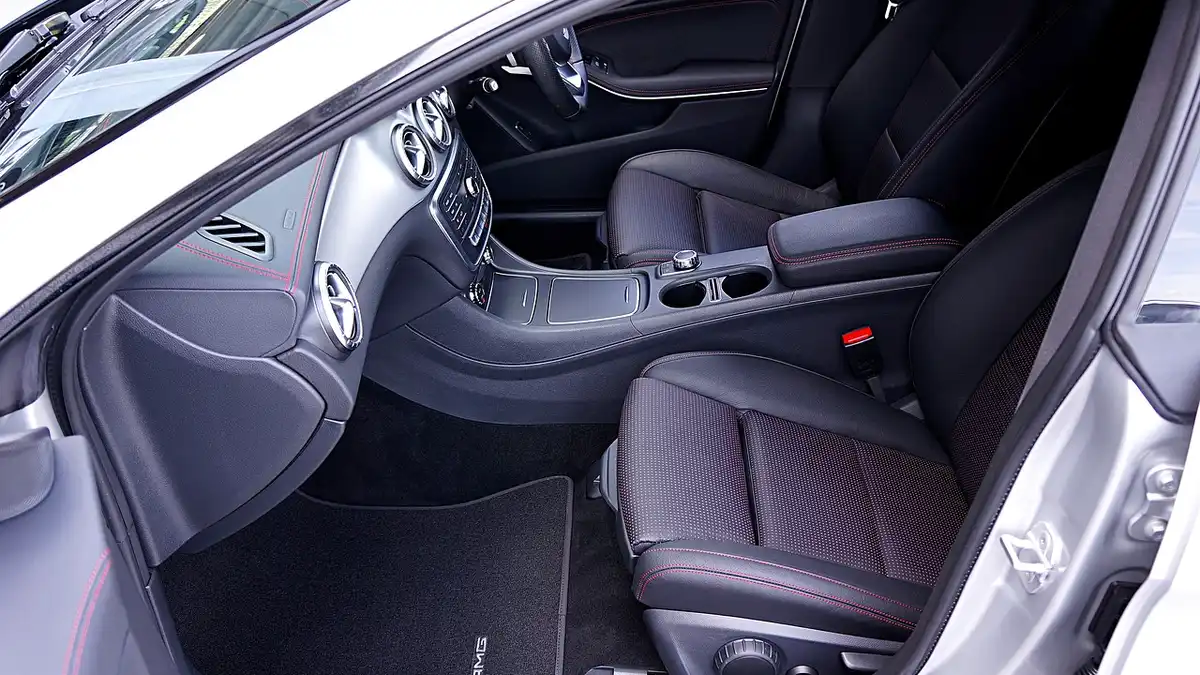
Fitment is the product
List each make, model, generation and body style you want, with left-hand or right-hand drive. UK cars are right-hand drive, and a factory working mainly from left-hand-drive patterns can send mats with the driver's cut-outs on the wrong side. Ask how the patterns were made (a 3D scan of the vehicle, a physical template or a drawing) and whether the factory has already produced each pattern.
Approve a physical sample for each model in a real car before bulk. Check the edges against the sills and seat rails, the cut-outs for the original retention points, and the clearance under the pedals at full travel. A mat that slides forward or curls up at the heel can interfere with the pedals, so make retention and pedal clearance written acceptance points.
Material: rubber, TPE or textile
Natural or synthetic rubber mats are heavy and grip well; TPE (thermoplastic elastomer) mats are lighter and often moulded as 3D trays with raised edges; tufted textile mats are a different product again. Ask the factory to state the compound in writing, the thickness, the weight per set, the backing (nibs or grip pattern) and the odour and cold-crack behaviour you should expect.
Under the General Product Safety Regulations 2005, a producer must not place a product on the market unless it is safe. Keep the approved samples, fitment photographs and material statement on file, and put your business name and a batch number on each set, so a fit problem on one model can be traced.
Duty depends on whether the mat is rubber or plastic
Floor mats of vulcanised rubber are classified in 4016 91; plastic floor coverings in 3918. A TPE mat can sit on either side depending on the compound, so ask the factory for the material composition and let your customs agent classify it; for a large programme consider an advance tariff ruling. Textile mats are classified in chapter 57 and need their own check. See finding your commodity code.
The UK Trade Tariff API, read on 26 October 2026, shows the rates below and no anti-dumping measure on China for either line.
| Goods | Commodity code | Third-country duty | Anti-dumping duty on China |
|---|---|---|---|
| Floor coverings and mats of vulcanised rubber | 4016910000 | 2% | None shown |
| Floor coverings of plastics (other) | 3918900090 | 6% | None shown |
Inspection before shipment
At pre-shipment inspection, check each model against its approved sample by laying one over the other: outline, cut-outs, thickness and weight. Then check the backing pattern, flash and trimming, smell, colour, set completeness (driver, passenger, rear, boot liner if ordered), labels and the packing per model so stock arrives sorted.
Agree the defect list and sampling plan before production with the AQL calculator. Cambridge China Bridge sources car mats for retailers and online sellers through small orders and ecommerce seller programmes.
Frequently asked questions
Can a Chinese factory make mats for UK right-hand-drive cars?
Yes, if it has or makes right-hand-drive patterns. Ask how each pattern was made and approve a physical sample in the actual vehicle before bulk.
Are TPE car mats rubber or plastic for customs?
It depends on the compound. Rubber mats are classified in 4016 91 and plastic floor coverings in 3918, with different duty, so have your customs agent classify the exact material.
What should we check on the first sample?
Fit against sills and seat rails, the cut-outs for the car's retention points, pedal clearance at full travel, thickness, weight and smell.