Sourcing cheese and curd from China
UK tariff lines for cheese and curd show duties from £116.00 to £185.00 per 100kg. However, dairy products from China are prohibited from import into Great Britain, regardless of where the milk originated. A tariff code does not establish permission to import. Cambridge China Bridge checks whether a product can be imported before any order is placed.
Buying from China for a business? How our UK China sourcing agent service works · China sourcing agent for small orders and first imports
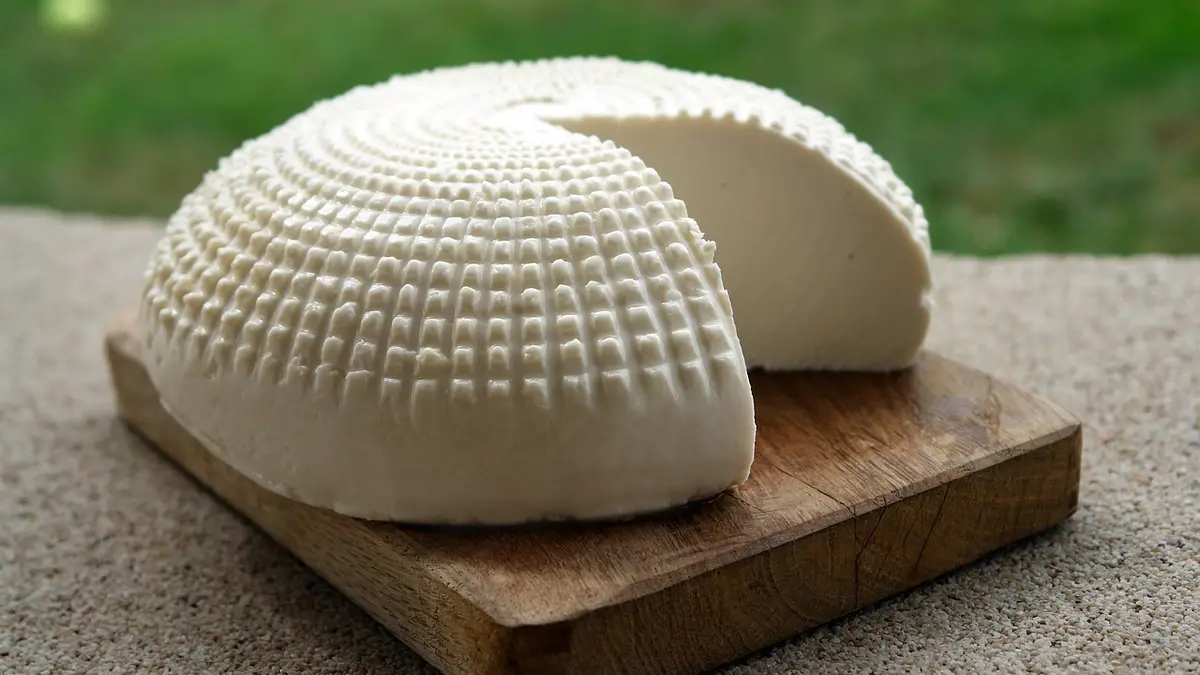
Weight-based duties and the import prohibition
Read from the UK Trade Tariff on 17 November 2026, heading 0406 covers cheese and curd, including fresh, grated, powdered, processed and other cheese. The supplied lines carry duties from £116.00 to £185.00 per 100kg for goods from China, with no recorded anti-dumping or countervailing duty and no recorded suspension. None has a plain percentage duty, so a percentage-based worked order cannot be supplied.
The tariff attaches veterinary control and organic import control. Government guidance states that all dairy products from China are prohibited from import into Great Britain, regardless of origin. The organic inspection certificate is issued by the exporter’s control body; it does not remove the dairy prohibition. Confirm the attached controls with your customs broker. For cheese classified for processing, the tariff also lists a non-preferential tariff quota under authorised use; ask your broker to confirm its requirements.
The table identifies classification examples, not available import routes. Confirm the commodity code using the recipe, cheese type, processing, fat and moisture composition, and presentation. This guide’s prohibition finding concerns Great Britain; obtain separate advice before planning a Northern Ireland shipment.
| Goods | Commodity code | Duty | Anti-dumping or countervailing duty on China |
|---|---|---|---|
| Mozzarella, fat content by weight not exceeding 40%, other than specified pizza cheese | 0406 10 30 90 | £154.00 per 100 kg | None |
| Other fresh cheese and curd, fat content by weight not exceeding 40% | 0406 10 50 90 | £154.00 per 100 kg | None |
| Grated or powdered cheese | 0406 20 00 00 | £157.00 per 100 kg | None |
| Other processed cheese, fat up to 36% by weight and up to 48% in dry matter | 0406 30 31 00 | £116.00 per 100 kg | None |
| Cheddar, other | 0406 90 21 90 | £139.00 per 100 kg | None |
Milk source, composition and cheese performance
Do not arrange a China-to-Great-Britain cheese shipment under the current prohibition. For an overseas buyer assessing a destination separately, prepare a specification covering milk species and source, fresh or matured cheese, natural or processed composition, fat in dry matter, moisture, salt, rind and any added vegetable fat.
For catering cheese, agree shred size, clumping, melt, stretch and oil release against a retained sample. For curd and fresh cheese, agree texture, whey separation and packing liquid. Record chilled or frozen presentation, pack format, storage conditions and remaining shelf life at receipt.
Inspection checklist
Eligibility: check the destination and dispatch country before ordering. For Great Britain, Chinese dairy remains prohibited even when the milk came from another country.
Composition: compare the batch report with the agreed milk source, fat, moisture and recipe; check for substitution of vegetable fat or a different cheese blend.
Condition: for a separately assessed destination, review transport temperature records, seals, leaking brine, swollen packs, unexpected mould and excessive whey separation on arrival.
Performance: compare melt, stretch, oil release and shred clumping with the retained sample. Match carton and pack batch marks to the reports.
What goes wrong
The main purchasing error is treating a quoted tariff duty as permission to import. Using milk from an approved exporting country in a Chinese factory does not overcome the Great Britain prohibition. Resolve eligibility before paying a supplier or booking refrigerated transport.
For an overseas project assessed separately, investigate recipe substitutions, broken seals, temperature excursions and inconsistent melting. For any lawful prepacked food sale, labels must be accurate and not misleading. Inspection and attractive packaging cannot resolve an import prohibition.
Cambridge China Bridge sources these products for UK businesses, checking the factory and the documents before shipment. See factory verification. For repeat volumes, see container programmes.
Frequently asked questions
What is the UK import duty on cheese from China?
The supplied lines range from £116.00 to £185.00 per 100kg, depending on classification. They show no trade remedy or suspension. Dairy imports from China to Great Britain are prohibited despite these tariff rates.
Can I import Chinese cheese into Great Britain?
No. Government guidance states that all dairy products from China are prohibited, regardless of where they originate. Do not arrange a commercial shipment on the strength of a tariff code.
Can a Chinese factory use imported milk to avoid the ban?
No. The government’s guidance expressly covers dairy made in China using milk from another approved exporting country. The dairy prohibition still applies.
What should I specify when assessing cheese for another destination?
Confirm that destination’s import position separately. Specify milk source, recipe, fat and moisture, pack format, storage conditions and shelf life; compare melt, stretch and whey separation with a retained sample.