Inward processing: checks before importing components
A UK manufacturer can use authorised inward processing for Chinese components it processes and re-exports, without paying Customs Duty or import VAT on those goods. Assess the authorisation route, production traceability and discharge arrangements before importing. Coordinate factory documents with Cambridge China Bridge.
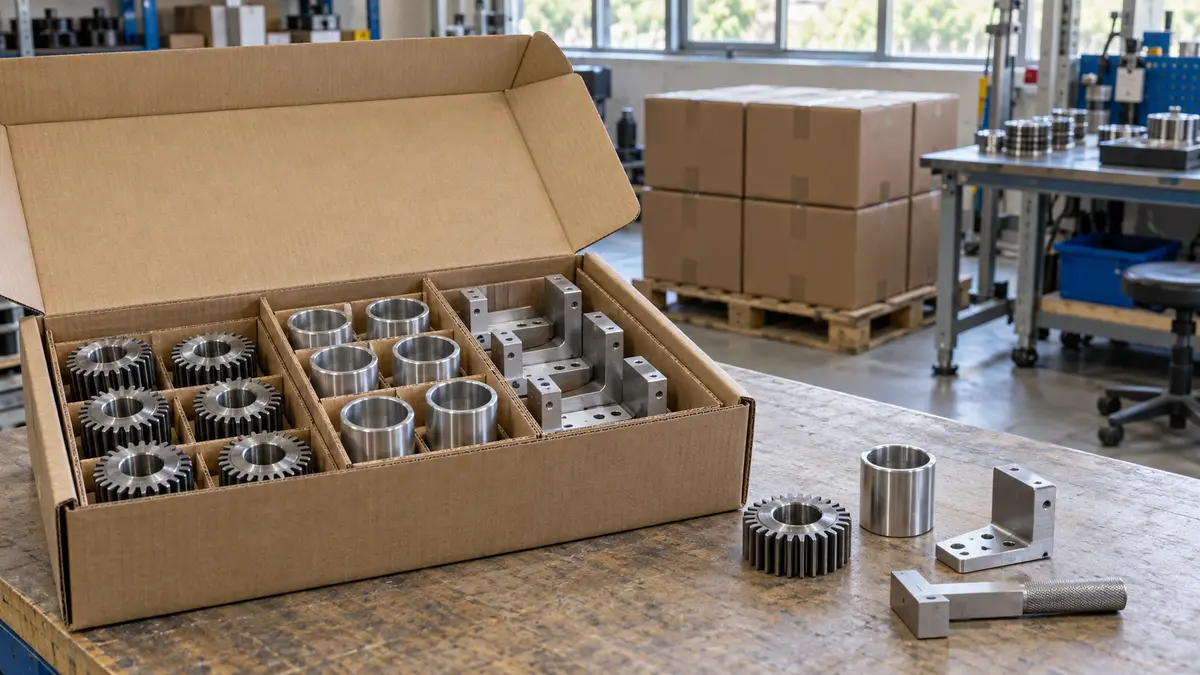
Check the manufacturing and disposal plan
HMRC allows authorised inward processing relief for imported goods that are processed or repaired and then re-exported. If processed goods remain in the UK, Customs Duty and import VAT may be payable. Start by separating the intended export production from products intended for UK customers.
Describe the imported components, the manufacturing operation and the finished products to your customs adviser. Ask them to assess the proposed treatment before shipment. For the declaration field itself, use our guide to customs procedure codes.
Choose the authorisation route before shipment
Approval must be in place before inward processing can be used. Full authorisation is the route to assess for regular use. Authorisation by declaration suits occasional imports processed entirely in the UK, but has usage and consignment-value limits and requires security for the suspended duty and import VAT.
Ask your adviser to check establishment, customs registration, compliance history, any guarantee or import licence, and whether your goods qualify for the proposed route. Agree who will hold the authorisation and manage its conditions. Do not build the purchase plan around obtaining retrospective approval. For shipment sequencing, see exporting before replacement components arrive.
Make the production plan traceable
HMRC requires an expected rate of yield: the quantity of processed products made from the goods entered to inward processing. Depending on the goods and duty calculation method, HMRC may also examine economic conditions to assess the effect on UK producers.
Prepare component descriptions, commodity codes, values, processing locations and subcontractor details for discussion with your adviser. Test whether your BOM and production records can connect factory batch references to finished products, by-products, scrap and unused stock. Agree consistent descriptions with the China factory before it prepares the customs clearance documents.
Reconcile records before preparing the discharge
The bill of discharge must account for goods due within its accounting period, including main and secondary processed products, disposal routes and authorised stock carried between periods. It should reference the relevant entry and disposal documents, including import and export declaration references.
Keep a working reconciliation linking receipts, production issues, output, remaining stock and disposal evidence. Ask your adviser to confirm the required record contents and retention arrangements before the first import. Allocate an owner who can investigate a mismatch between the stock ledger and the physical components.
Working out your own order? Send us the product on WhatsApp and we reply the same working day: WhatsApp us
Plan closure as carefully as entry
For full authorisation, send the bill of discharge to the supervising office no later than 30 days after the end of the discharge period. Record the authorised discharge deadline separately from this filing deadline. If goods transfer to another inward processing holder, liability for suspended Customs Duty and import VAT remains with you until customs accepts the receiving party’s movement declaration.
Ask your adviser to confirm the disposal route and supporting evidence for each batch, including goods retained for UK sale. Nominate who gathers the evidence and submits the bill. Compare the administration with the cash-flow approaches in reducing import costs before choosing the scheme.
Frequently asked questions
Can inward processing cover components from China?
Yes, authorised relief can cover imported components processed and re-exported from the UK. Ask your adviser to assess the goods, manufacturing operation and intended disposal before shipment.
Can I sell the finished products in the UK?
Agree the declaration treatment and duty calculation with your adviser before releasing them for UK sale.
Can I use authorisation by declaration?
It suits occasional imports processed entirely in the UK, subject to usage and consignment-value limits. Security is required for suspended duty and import VAT. Have your adviser check eligibility before shipment.
Does exporting the goods finish the paperwork?
Plan the bill of discharge too. With full authorisation, it is due no later than 30 days after the discharge period ends and should reconcile goods with entry and disposal references.