Customs origin of goods with mixed components
Establish origin by checking the applicable origin rule against the components and manufacturing processes, not the shipping address. Obtain a bill of materials, component origin evidence and batch-linked production records, then ask your customs adviser to review the conclusion. Factory evidence can be gathered by Cambridge China Bridge.
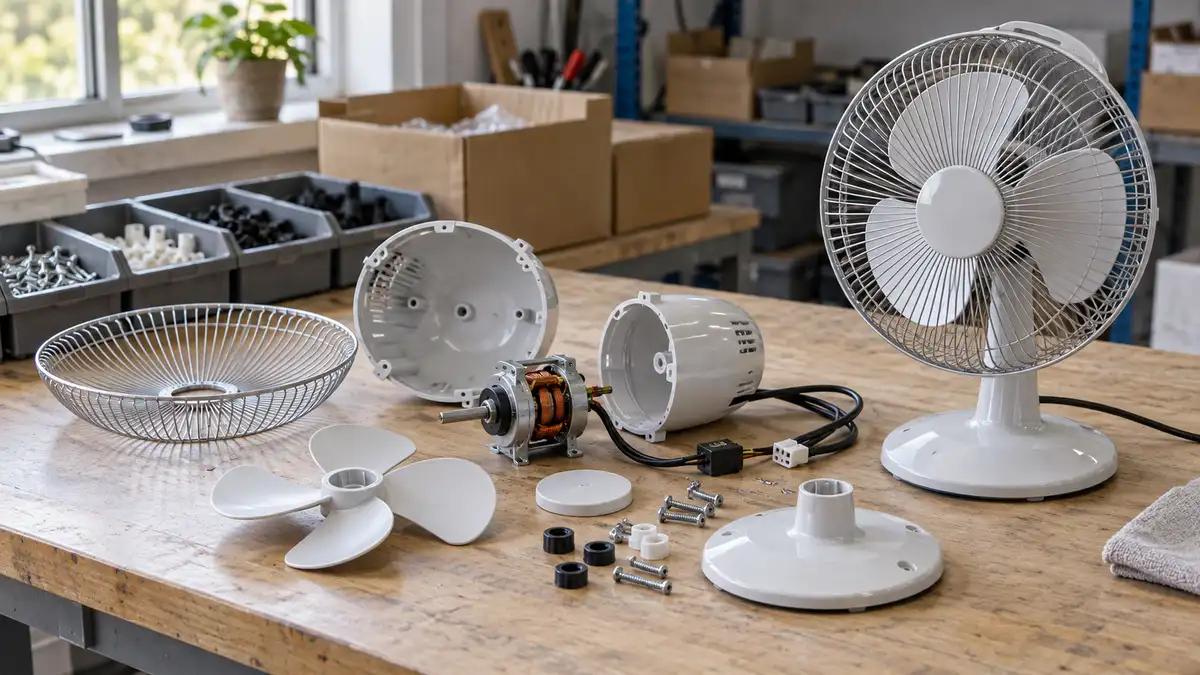
Start with the rule, not the dispatch address
The country of shipment does not establish customs origin. Preferential and non-preferential origin rules may both apply; where preferential rules do not apply, use the non-preferential rules. Identify which question you are answering before accepting the supplier’s origin claim.
Confirm the finished product’s classification using our commodity code guide. Ask your customs adviser to identify the applicable origin rule and explain what manufacturing facts would satisfy it. Keep that explanation with the product specification rather than copying the supplier’s invoice wording.
Map what happened in each country
For production involving several countries, HMRC’s import declaration guidance describes origin by reference to the last substantial, economically justified processing in an appropriately equipped undertaking, producing a new product or representing an important manufacturing stage. The final factory address alone does not establish that test.
Request a process map naming the actual sites and countries for component manufacture, intermediate processing and final production. Describe what enters and leaves each stage, the equipment used and the work performed. If a supplier says only “assembled here”, ask what assembly involves and obtain supporting records.
Obtain evidence linked to your order
Ask for evidence for the ordered model and production batch. A signed origin statement is a useful starting point for questioning the factory; ask it to identify the underlying materials and processes. Use the checklist below as a purchasing request, not as a universal statutory document list.
Cross-check the records against each other. Component identifiers should match the BOM, production records should identify the manufacturing site, and finished batch references should connect to your shipment. Follow our customs clearance documents guide for the shipment paperwork.
| Evidence | What to check |
|---|---|
| Version-controlled BOM | Component descriptions, identifiers, quantities, manufacturers and claimed origin countries |
| Component origin support | Manufacturer statements and underlying production records; distinguish origin from the supplier’s address |
| Manufacturing process records | Site addresses, countries, operations, equipment and subcontracted stages |
| Batch and material records | Material receipts, production orders and finished batch references that connect components to the shipment |
| Cost breakdown where relevant to the rule | Material costs and manufacturing costs supported by records, with the price basis clearly explained |
Test the evidence and control changes
Ask your customs adviser for a written assessment linking the applicable rule to specific records. Mark unsupported component origins as unresolved. Avoid choosing a country because it supplied the most visible component or appears on the transport document.
Agree that component suppliers, production sites and processes must be reported before substitution. Compare repeat orders with the evidence used for the original assessment. Our factory material substitution guide helps you manage changes before production proceeds.
Working out your own order? Send us the product on WhatsApp and we reply the same working day: WhatsApp us
Resolve uncertainty before clearance
For imports into or exports from Great Britain, you can apply to HMRC for an Advance Origin Ruling. Northern Ireland uses a Binding Origin Information decision. An Advance Origin Ruling cannot be made retrospectively, so raise uncertainty before customs procedures are completed.
An Advance Origin Ruling does not replace proof of origin on importation or exportation. Give your adviser the production evidence and identify any gaps before applying. Cambridge China Bridge’s staff in China can request factory records and check whether the documented operations match the production observed.
Frequently asked questions
Is the shipping country the country of origin?
Not necessarily. Origin concerns where goods were produced under the applicable origin rules. A dispatch address or transport document does not establish the manufacturing history.
Does final assembly determine customs origin?
Do not assume it does. Record exactly what assembly involves and ask your customs adviser to test those operations against the applicable rule.
What origin evidence should I ask the factory for?
Request a version-controlled BOM, component origin support, a manufacturing process map and batch-linked production records. Obtain supported cost details where relevant to the origin rule.
Can HMRC confirm the origin before I import?
For Great Britain, apply for an Advance Origin Ruling before customs procedures are completed. Northern Ireland uses a Binding Origin Information decision.