Do UK forest-risk rules cover my China goods?
Check the implementing regulations and their commencement provisions, then match your materials, commercial activity and business structure to their scope. Defra describes the Great Britain regime as proposed, so announcements alone do not establish your duties. Supplier evidence can be gathered by Cambridge China Bridge.
Start with legislation and commencement
The Environment Act explanatory notes say commodities will enter scope through further secondary legislation. The commencement regulations brought the forest-risk provisions into force for making regulations that would set business requirements. Commencement for that purpose does not itself tell you which goods or businesses have operative duties.
Defra’s current policy paper expects implementing legislation for Great Britain in 2027. That is an expectation, not a buyer’s compliance deadline. Before approving an order, record the applicable instrument, its current status, the provisions commencing business duties and any transition arrangements. If those cannot be identified, mark the proposed regime as awaiting confirmation.
Screen materials, not just finished-product names
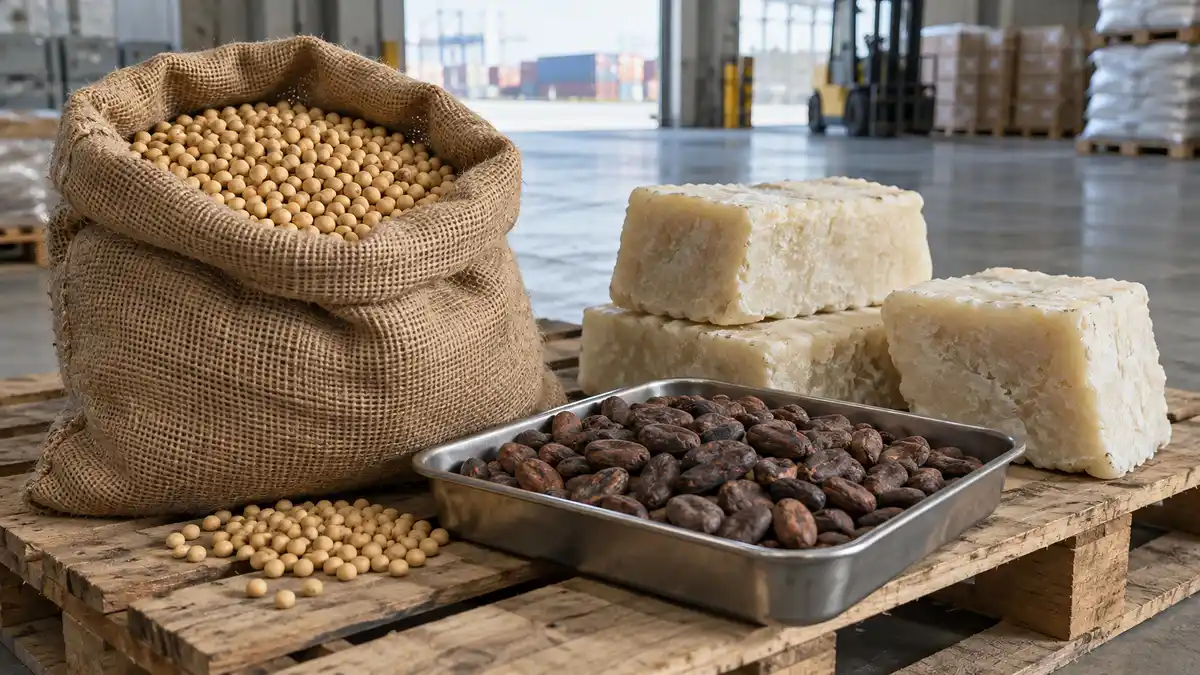
Defra’s proposed scope includes wood, cattle, cocoa, coffee, palm oil, rubber, soy and certain derived products such as chocolate and furniture. Use this as a screening list, not a final legal product list. Ask the Chinese supplier for the material or ingredient breakdown, including bought-in components, and identify which inputs need further investigation.
Keep the product description and classification rationale together, using finding your commodity code. A customs classification record helps describe the goods; separately check the implementing regulations’ commodity and derived-product definitions. Ask where relevant raw materials were grown or raised, rather than recording only the Chinese assembly address.
Check the business test and any exemption
The explanatory notes describe a turnover test that can capture a business through its parent undertaking. They also describe an exemption based on commodity use, involving notice and a prescribed weight or volume threshold. These are framework provisions: establish the applicable thresholds, calculation method and notice procedure from the implementing regulations before claiming an exemption.
Defra’s current proposal uses an annual-turnover test for Great Britain. Its older announcement described a different turnover threshold and a commodity-volume exemption. Do not combine those announcements into a compliance test. Prepare your company and parent details, turnover records and commodity-use records, then check them against the operative wording when available.
Keep timber and destination checks separate
The explanatory notes exclude timber and timber products from the Schedule’s forest-risk commodity definition, while Defra’s newer proposal includes wood alongside plans to strengthen timber legislation. Existing timber duties therefore need their own check. For relevant Great Britain timber operators, official guidance requires due diligence before placing timber on the market.
Use the timber due diligence guide for China-made wood products. Record whether the intended market is England, Scotland, Wales or Northern Ireland, and flag Northern Ireland orders for a separate destination review. Do not apply a Great Britain policy summary to every UK delivery.
Working out your own order? Send us the product on WhatsApp and we reply the same working day: WhatsApp us
Build an order-linked evidence file
Ask for named raw-material suppliers, production locations, origin records and documents linked to the actual order. Record missing information and contradictory answers explicitly. A factory visit can help verify manufacturing arrangements, but ask separately for evidence connecting the relevant agricultural inputs to their source.
Use batch traceability with a Chinese supplier to connect supplier documents, inputs and finished batches. Keep statutory scope checks separate from customer purchasing conditions. Give each outstanding question an owner, and recheck the official position before order approval and shipment.
Frequently asked questions
Does the Environment Act announcement mean I must comply now?
An announcement alone does not establish your duties. Check the implementing regulations, commencement provisions, commodity scope and business test. Defra currently describes the Great Britain regime as proposed.
Are China-made goods automatically outside forest-risk scope?
Do not screen by assembly country alone. Identify materials and ingredients, ask where relevant raw materials originated, and compare the goods with the implementing regulations’ definitions.
Can a small UK subsidiary assume it is exempt?
No. The framework’s business test can capture an entity through its parent undertaking. Check the applicable turnover calculation and any commodity-use exemption procedure before reaching a conclusion.
Should I wait before checking wooden furniture?
Check the existing timber regime now. Proposed forest-risk changes do not replace that check. Establish the product’s coverage and your role using the timber due diligence guide.