How to adjust VAT on overseas goods returns
If you originally charged UK VAT and have refunded it to the customer, adjust your VAT return for the returned goods. If you did not originally charge VAT, HMRC says no amendment is needed under this returns guidance. Check marketplace records before posting an adjustment. Cambridge China Bridge can help coordinate factory return records.
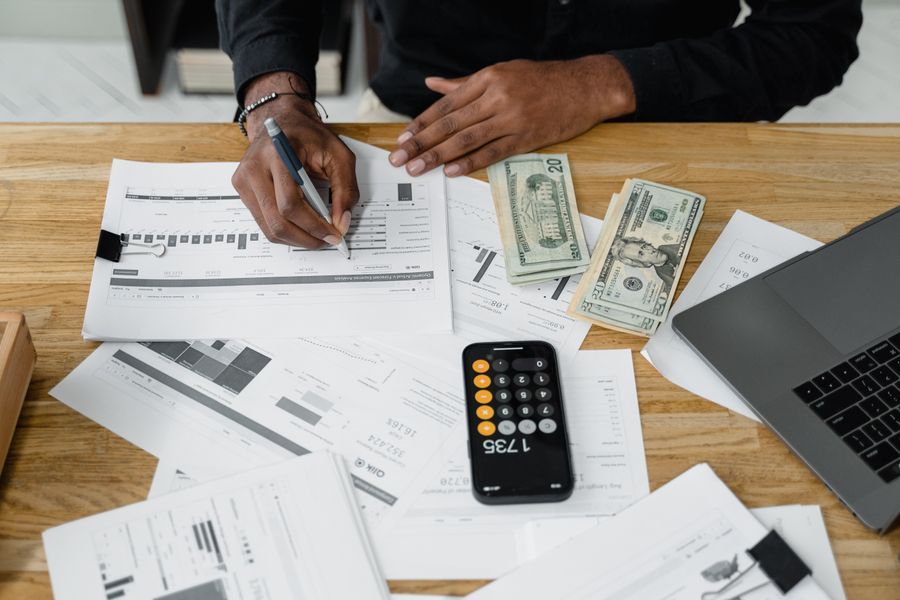
Identify who originally charged VAT
Start with the customer invoice, checkout receipt and payment record. Identify whether VAT was charged by your business, an online marketplace, or collected separately on import. Record the dispatch country, destination, consignment value, dispatch and return dates, and your UK VAT registration status before asking your accountant to classify the return.
This guide covers the VAT adjustment after a customer return. For the underlying goods dispute, see goods arrived faulty. For the import role, see who is the importer of record.
Adjust after the VAT refund
HMRC says to adjust your VAT return for returned goods if you originally charged VAT and have refunded it to the customer. If you did not originally charge VAT, its returns guidance says you do not need to amend your return. Do not treat that statement as an answer to a separate import VAT or reverse charge question.
For an ordinary price reduction rather than an error in VAT already declared, HMRC places the adjustment in the accounting period when the refunded amount is paid to the customer. Give your accountant the actual payment date, not just the date the return was authorised.
Build a refund evidence file
Keep the original invoice, return authorisation, goods identification, tracking or receipt confirmation, refund calculation, credit note and bank or payment-provider confirmation together. Match the goods and VAT refunded to the original sale. For a partial return, identify the returned items and amounts separately from goods the customer kept.
HMRC requires the accounts or supporting documents to make the nature and reason for the adjustment clear. Ask your accountant to check the credit note before posting it. Reconcile a factory credit separately using supplier credit notes and refunds, so a supplier repayment is not confused with your customer refund.
Coordinate with the marketplace
Ask the marketplace to confirm who charged and accounted for the original VAT, who is issuing the refund, and where the VAT reversal appears in its transaction records. Send the order reference, returned-item details and refund evidence. Reconcile the customer refund with the marketplace settlement before making your own entry.
HMRC's overseas-goods marketplace guidance includes a business purchase exception: the marketplace need not charge VAT where the customer supplies their UK VAT registration number. For goods supplied in Great Britain under that route, the customer accounts for VAT using the reverse charge. If that was your original purchase, ask your accountant to review the return against those entries rather than looking for a marketplace VAT refund.
Separate replacements and import charges
If returned goods are replaced and their value differs, HMRC says to adjust your VAT return. Tell your accountant whether the outcome is a refund, a replacement or a replacement with a price difference, and provide the original and replacement values.
Keep any import VAT payment record separate from VAT charged on the sale. Ask your customs agent and accountant to identify the appropriate treatment before combining entries. Cambridge China Bridge's staff in China can help coordinate factory receipt and replacement details; give your accountant the completed return file.
Frequently asked questions
When do I adjust VAT after a customer return?
HMRC says to adjust when you originally charged VAT and have refunded it to the customer. For an ordinary price reduction, the adjustment belongs in the accounting period when the refund is paid.
What if I did not charge VAT originally?
HMRC's returns guidance says no amendment is needed if you did not originally charge VAT. Ask your accountant separately about any import VAT or reverse charge entries.
What evidence should I keep for a VAT refund?
Keep the original invoice, returned-item details, return confirmation, credit note, refund calculation and proof of payment together. Make the reason for the adjustment clear.
Who handles VAT if the marketplace charged it?
Ask the marketplace to confirm its refund and VAT reversal against the original order. Reconcile its transaction and settlement records with your accountant before posting your own adjustment.