Laboratory & scientific
Centrifuges, ovens, baths, pumps, balances and test equipment are made to a serious standard in China and sold in the UK at several times the factory price. We buy them directly and supply UK laboratories as a UK company — with the quotation, conformity documentation and support that a university purchase actually needs.
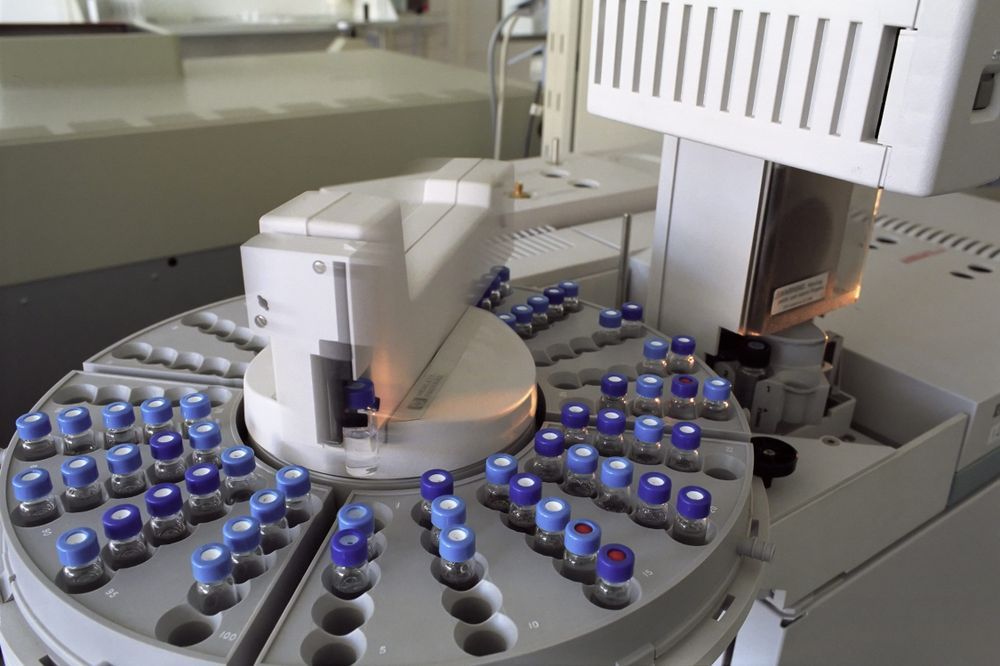
The price gap in laboratory equipment is unusually wide. A large part of what sits in a UK catalogue at £2,000 to £3,000 is manufactured in China and reaches the distributor at a fraction of that. For a research group whose consumables budget is fixed for the year, that difference is real equipment that would otherwise not be bought.
What a distributor genuinely provides is not access to the factory. It is the part after the purchase order: a company in the UK that can be paid in sterling against an official order, documentation a safety officer will accept, a warranty someone will actually honour, and spare parts that arrive without a customs entry each time. Those are the things that fail when a lab orders an instrument directly from a marketplace listing, and they are what we exist to carry.
We are open about the tax position, because it decides the arithmetic and most suppliers will not raise it. A university importing an instrument itself for non-commercial research pays no customs duty and no import VAT under HMRC's scientific instruments relief. A straight resale from a UK supplier is a domestic supply carrying 20% VAT that a partly exempt institution largely cannot recover. The way round that is not to resell: HMRC allows the entry to be completed on your behalf, so your institution stays the importer and keeps the relief while we do the sourcing, inspection, freight, customs and after-sales. Where a purchase qualifies for zero-rating under VAT Notice 701/6 — laboratory and scientific equipment, charitable or donated funds, mainly medical or veterinary use — supplying it outright works just as well. We will tell you which applies before you spend time on a quotation, and the arithmetic is set out in our guide to buying lab equipment from China.
What we source
- Centrifuges, shakers and mixers
- Ovens, incubators, baths and chillers
- Vacuum pumps and pressure equipment
- Balances and measurement instruments
- Microscopes and imaging accessories
- Ultrasonic cleaners and sample preparation
- Environmental monitoring and data logging
- Electronic test and measurement equipment
What to consider
- Electrical laboratory instruments are normally built and tested to BS EN 61010-1, the safety standard for electrical equipment for measurement, control and laboratory use. We ask for the test report, not just a declaration.
- Under £5,000 excluding VAT, many universities require no competitive quotes at all — Cambridge's published regulations are one example. That band is the realistic way to start with a new supplier, and we price for it deliberately.
- Between roughly £5,000 and £100,000 most institutions want three quotes. We are happy to be one of the three and to be benchmarked against the established distributors.
- A formal quotation addressed to your institution is usually what allows the department to add us to its supplier database, so ask for one early rather than late.
- Warranty, spares and calibration are agreed in writing before the order, because a twelve-month warranty is worth nothing if the parts sit in Guangdong with no route in.
- We are a UK company with a company number and VAT registration; you raise a purchase order to us and pay in sterling against a UK invoice.
Common questions
Is it cheaper for our lab to import the instrument ourselves?
Cheaper than a resale, yes — and you do not have to choose between the relief and a UK company. HMRC lets the customs entry be completed on your behalf, so your institution stays the importer of record, claims the duty and import VAT relief, and still has a UK company doing the sourcing, inspection, freight and support. What you should not do is become your own importer with no one behind it: the customs entry, a damaged delivery and a warranty claim shipped back to China are all real work, and they land on the person who just wanted the centrifuge.
Do you sell the equipment to us, or act as our agent?
Either, and the difference is worth deciding deliberately because it changes the price. If we sell you the instrument, we are the importer and the sale carries 20% VAT unless it qualifies for zero-rating under VAT Notice 701/6. If we act as your agent, you are the importer of record, you claim the duty and import VAT relief on the goods, and VAT applies only to our fee. Your procurement and finance offices decide which suits the purchase; we are set up for both.
Can you supply zero-rated for VAT?
Where the purchase genuinely qualifies. VAT Notice 701/6 allows zero-rating of laboratory and scientific equipment supplied to an eligible body, bought with charitable or donated funds, and used mainly for medical or veterinary research, training, diagnosis or treatment. HMRC is explicit that general biological or environmental research does not qualify. We need a written eligibility declaration from you, and your finance office decides whether the purchase qualifies — not us.
Are you an approved supplier at our university?
No, and we would rather say so plainly. We are a new supplier in this category and hold no framework or preferred-supplier agreement with any university. In practice a department can still buy from us: below its competition threshold no quotes are needed, and above it we can be one of the three. The department adds us to its supplier database as part of raising the order.
What happens if the instrument fails?
You deal with us in the UK, in your time zone, against a warranty agreed in writing before the order. We hold the relationship with the manufacturer and the route for spares and replacement parts. That is the substance of what a UK supplier adds over a direct import, and it is fair to ask for the specifics of it before you commit.
Related guides
- Buying lab equipment from China for a UK university labThe two reliefs that decide whether you should import an instrument yourself or buy it from a UK supplier, your institution's competition thresholds, and what you actually give up by ordering direct.
- Sourcing medical devices and PPE from ChinaMedical devices need a UK Responsible Person and MHRA registration whatever the class. PPE needs neither and is UKCA marked, with the category deciding whether an approved body is involved.
- CE, UKCA and ISO: which certifications you needWhat these marks mean, the current UK position on CE vs UKCA, and how to check a factory's certificates are genuine.
- Quality inspection explainedWhen to inspect, what the common inspection types are, and why checking before shipment is far cheaper than after.
- How to tell a real factory from a trading companyA trading company buys from factories and resells to you. Check the business licence and its registered scope against the official Chinese register, then ask for a live video walk of the line.