Your first China order: a step-by-step checklist
Before you ask for a quote you need the product written down in numbers — dimensions, materials, the two or three things that must be right, and what counts as a defect — because without that you cannot tell what has actually been quoted. Cambridge China Bridge does this for UK and overseas buyers, with its own staff in China, from a first trial order to scheduled full containers.
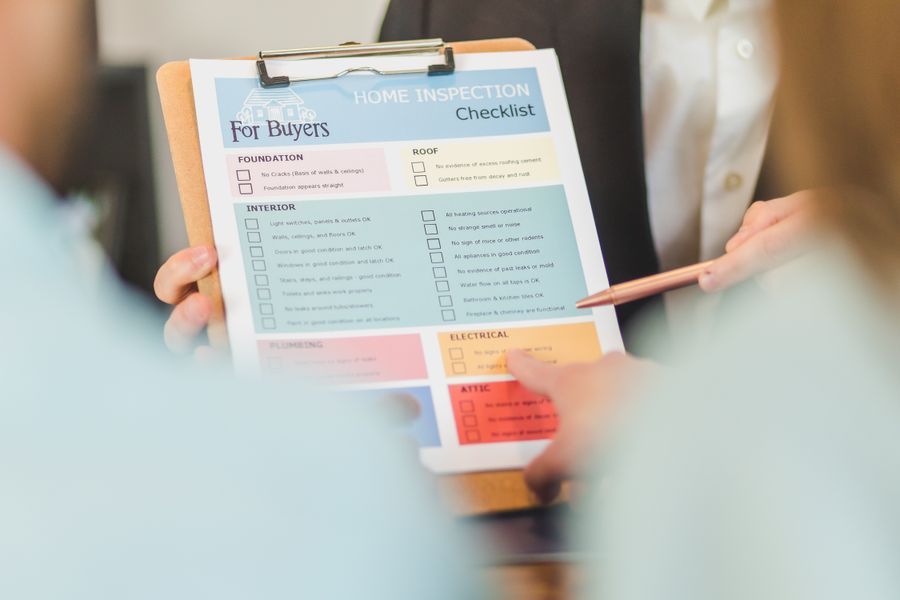
Before you talk to anyone
Know what you are buying well enough to describe it in numbers. Not a photograph and a hope: dimensions, materials, the two or three things that must be right, and what you would consider a defect. If you cannot write that down, you are not ready to ask for a quote, because you will not be able to tell what has been quoted.
Check the commodity code for your product and find the duty rate before you commit to anything. This is also where you check whether anti-dumping duty applies to goods of Chinese origin under that code, because it is charged on top of normal duty and can be several times larger. Finding that out after a container has sailed is the single most expensive discovery in importing.
Work out roughly what a landed unit will cost you: goods, freight, duty, clearance and delivery, tooling and samples spread across the run, and an allowance for units you cannot sell. If the business does not work at that number, it does not work. For quantity planning, see forecasting your first China order quantity. For your initial assortment, see our guide to one product or a small range.
And check whether your product is regulated. Toys, electricals, anything connectable, cosmetics, food contact materials and PPE all carry obligations that fall on you as importer, and they are far cheaper to plan for than to retrofit. For product selection, see our guide to planning your compliance budget.
Choosing and checking a supplier
Shortlist several, not one. Ask each the same questions against the same written specification so the quotes are comparable, and treat a price well below the others as information rather than a bargain.
Verify the company before you engage seriously. Ask for the business licence, read the registered scope of business, and check the company against the National Enterprise Credit Information Publicity System at gsxt.gov.cn. Confirm the name on the licence, the contract and the bank account all match exactly.
Ask for a live video walk of the production line, and ask them to show where your product would run and where quality checks happen. Twenty minutes here tells you more than a week of emails.
Ask who holds the test reports for regulated goods, in whose name, and covering which configuration. Make that part of choosing a supplier rather than a request you make later.
Getting the order right
Put the specification in writing and make it part of the order: dimensions and tolerances, materials by grade, colour to a reference, packing and units per carton, labelling, what else is in the box, and the defect standard with an agreed inspection rule. For headstone orders, see our guide to UK cemetery approval.
Agree the tooling position explicitly if there is tooling: who pays, whether it is amortised, and who owns it. Ownership is what decides whether you can ever change supplier.
Stage the payment. A deposit to begin production with the balance released against a satisfactory pre-shipment inspection is normal and reasonable. Tie the balance to that event rather than to a date.
Get every agreement into the order document rather than leaving it in chat, and check the payment account name against the business licence rather than the invoice. For personal purchases, see our guide to cancelling a China order. For help with a relative's purchase, see our guide to handling a relative's China order complaint.
Before the goods ship
Approve a pre-production sample made with production materials, tooling and process, not a hand-made prototype. Seal and retain a copy in the UK and reference it in the order. Before publishing sample images, see planning your first design reveal. For approval scheduling, see China order approvals across time zones. For Amazon sales, see our guide to Brand Registry preparation before ordering.
Arrange a pre-shipment inspection. This is the last point at which a problem is cheap, and the difference between fixing something in the factory and discovering it in your warehouse is the difference between a phone call and a write-off.
Check your documents before the vessel leaves: commercial invoice, packing list, bill of lading, and any certificates or test reports your goods need. A shipment that arrives without its paperwork sits at the port accruing charges daily.
Confirm the incoterm and what it actually includes, and get an all-in quote to your door from your forwarder, asking specifically what is not covered.
Arrival, and the admin that saves you money
Make sure whoever makes the customs entry has the right commodity code, the correct customs value including freight and insurance to the border, and your VAT number. For partnership purchases, see our guide to China orders for UK partnerships.
If you are VAT registered and eligible, use postponed VAT accounting so import VAT goes on your VAT return instead of being paid at the border. It needs no approval and no application, but it does not happen automatically, so tell whoever makes the declaration in writing that you are using it before they submit the declaration.
Keep the file. Quotation, specification, approved sample record, order, inspection report, invoices, shipping documents and the customs entry belong together, and you must keep the documents supporting your customs value for at least four years.
Working out your own order? Send us the product on WhatsApp and we reply the same working day: WhatsApp us
After the first order
Write down what actually went wrong, because the second order is where the money is made. Record the real defect rate, the real lead time and the real landed cost, and put them into the next specification and the next plan.
Then decide whether to keep going deeper with this supplier or to develop a second source. The best moment to find an alternative is while you do not need one, because a buyer with options negotiates differently from a buyer without. For seasonal purchases, see our guide to seasonal order decision deadlines. For school-season purchases, see when to order back-to-school stock.
If you are still deciding between dropshipping and holding stock, Dropshipping or bulk buying: which is better? compares the two.
If you run the business from home or without a warehouse, see Importing from China without a warehouse.
Frequently asked questions
What should I do before placing my first order from China?
Write a specification in numbers, check the commodity code and duty rate including any anti-dumping duty, work out your landed cost per sellable unit, and check whether your product is regulated. Then verify the supplier against the official Chinese register and get a live video walk of the production line.
What is the most expensive mistake first-time importers make?
Discovering anti-dumping duty after the goods have shipped. It is charged on top of normal duty on some goods of Chinese origin and can be several times larger, and it is checkable in minutes before you order.
How much should I pay up front?
A deposit to start production with the balance released against a satisfactory pre-shipment inspection. Tie the balance to the inspection rather than to a date, because a date arrives whether the goods are right or not.
Do I need an inspection on a first order?
Especially on a first order. It is the last point at which a problem is cheap to fix, and on a supplier you have never used it is the only independent evidence you will get before the goods are yours.
What paperwork do I need to keep?
The quotation, specification, approved sample record, order, inspection report, invoices, shipping documents and customs entry. You must keep the documents supporting your customs value for at least four years.