OEM vs ODM vs OBM: private-label manufacturing explained
OEM means the factory builds your design to your specification and the product is yours; ODM means you put your brand on a product the factory already owns. ODM is faster and cheaper to start, and you do not own what you are selling. Cambridge China Bridge sources from China for UK and overseas buyers, from a first trial order to full containers.
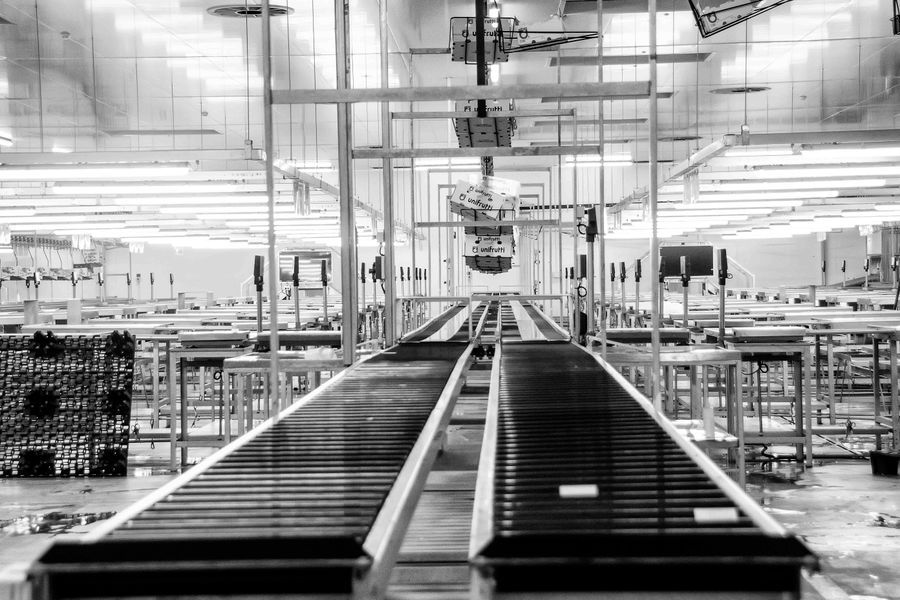
The two models
OEM (Original Equipment Manufacturer) means the factory builds your design to your specification. The product is yours; they are the hands that make it. ODM (Original Design Manufacturer) means the factory already has a finished product on its shelf and you put your brand on it, sometimes with small changes to colour, packaging or a feature or two.
Both give you a branded product. What separates them is how much of the design is yours, how much it costs to start, and the part most first-time importers miss: how easily you can walk away from that factory later.
When OEM is worth it
Choose OEM when the product itself is your edge: a genuine design difference, a patent, a fit or function nobody else offers. You get exactly what you specified, and a competitor cannot buy the same thing from the same factory.
Be ready for what that costs. OEM normally means paying for tooling before a single sellable unit exists, a minimum order set by the factory's production economics rather than your cash flow, and a longer runway: typically several rounds of samples before the first production run. Budget for the samples as a real line item, not an afterthought. The round trip on each revision is weeks, not days.
The rule of thumb we give clients: if you cannot explain in one sentence what your product does that the ODM version on the shelf does not, you are paying tooling money for a difference the customer will never notice.
When ODM is the smarter start
Choose ODM when speed to market and low commitment matter more than a unique design. You are branding a product that already works, already has a production history, and often already has test reports behind it. Minimums are lower, there is usually no tooling bill, and you can be selling in a fraction of the time.
The trade-off is honest and worth stating: a competitor can brand the same base product. Your differentiation has to live somewhere else, in branding, packaging, the guarantee you offer, how fast you ship, who you sell to. For a lot of UK SMEs that is a perfectly good business, and it is a far cheaper way to find out whether the market wants the product at all.
It is also the sensible way to test a category before committing. Prove the demand on an ODM product, then spend tooling money on the OEM version once you know what customers actually complain about.
Putting your brand on it makes you the manufacturer, not the importer
This is the part that catches private-label importers out, and it applies to ODM just as much as OEM. Under most UK product rules, an importer who places goods on the market under their own name or trade mark is the manufacturer in law, not merely the importer. The same happens if you modify a product in a way that affects its compliance. A few regimes work differently, machinery among them, so check the one that covers your product rather than assuming either way.
That is not a technicality. It means the manufacturer's obligations land on you: holding the technical documentation, being able to show the product's design and production meet the relevant rules, issuing the declaration of conformity in your own name where required, and standing behind the applicable UKCA or CE marking where required. "The factory said it was certified" stops being an answer the moment your logo is on the box.
So before you brand anything, ask for the technical file and the test reports, check the certificate is real by going back to the issuing body rather than trusting a PDF, and make sure the declaration of conformity can be issued naming your company. If the factory cannot produce those, the price you were quoted was never the real price.
Tooling ownership decides whether you can ever leave
If you go the OEM route, one clause matters more than the rest: who owns the tooling. Paying for a mould does not automatically make it yours, and a factory holding your tooling holds your ability to change supplier. We have seen buyers discover this only when a price rise arrives and moving looks impossible.
Agree in writing, before payment, that the moulds, jigs and fixtures are your property, that they will be released or shipped on request, and where they are physically stored. Photograph them with their identification numbers when they are made. It is a cheap piece of paperwork that turns a single supplier into a supplier you have chosen to keep.
This is also why a second source is easier on ODM than on OEM. If you are branding an existing product, a comparable product exists elsewhere. If you tooled a bespoke one, your second source starts with another tooling bill, which is exactly the moment you will wish you had kept the moulds.
The middle route nobody names
In practice most orders are neither pure OEM nor pure ODM. You take the factory's existing platform and change the parts that matter: your housing colour and finish, your packaging, your manual, a different plug or connector, one feature removed to hit a price. Tooling on a modification is a fraction of tooling from scratch, because the base mould already exists and only an insert changes.
Ask the question that way round. Instead of "can you make my design?", ask "what is the closest thing you already make, and what would it cost to change these three things?" The answer is usually faster and cheaper than either textbook route, and it tells you a lot about whether you are talking to a real factory or a trading company reselling someone else's catalogue.
One caution: a modification that affects safety or compliance puts you back in manufacturer territory, and can invalidate the test reports the base product came with. Change the enclosure or the power supply on an electrical product and the existing certificate may no longer describe what you are selling.
Working out your own order? Send us the product on WhatsApp and we reply the same working day: WhatsApp us
OBM, and what ODM product development looks like
A third term turns up in the same conversations: OBM, original brand manufacturer, where the factory sells the product under its own brand. For a UK buyer it matters mainly as a signal. A factory with its own brand has its own design team and may be reluctant to make your version of its best seller, while a pure OEM or ODM maker is set up to work to other people's briefs.
ODM product development sits between the two models: you start from a factory's existing product and change what matters, such as the shape, colour, materials, features or packaging, then approve a sample of your version before production. The changes you pay for can be yours if the contract says so; the base design usually stays the factory's. If you are taking a product from an idea or drawing to a first run, see our new product development service.
Protect your position either way
With OEM, put an NNN agreement (non-disclosure, non-use, non-circumvention) in place before you share drawings, and make it enforceable in China rather than only in England. An agreement your supplier's local court will not act on is decoration. Register your trade mark in China as well as the UK, and do it early: China operates first-to-file, so the person who registers your name owns it there, whether or not you invented it.
With ODM, your defence is commercial rather than technical. Lock in exclusivity in your category or territory where you can, own your packaging and artwork outright, and build the customer relationship the factory cannot reach.
Either way, get the specification written down in a document both sides sign: dimensions, materials, tolerances, finish, packaging, and what counts as a defect. Most disputes we are asked to unpick are not dishonesty. They are two parties who never wrote down what "good" meant.
If a supplier has already registered your brand in China, see A supplier registered your brand in China: what now.
Frequently asked questions
What is the difference between OEM and ODM?
OEM builds your design to your specification; ODM puts your brand on the factory's existing product. OEM gives control and exclusivity but costs more up front in tooling and minimums. ODM is faster and cheaper to start, but a competitor can brand the same base product.
Which is cheaper to get started?
ODM, usually by a wide margin, because there is no bespoke tooling and minimums tend to be lower. OEM costs more before you sell anything, but produces a product that is genuinely yours.
If I just put my logo on a factory's product, am I responsible for its safety?
Under most UK product rules, yes. Placing goods on the market under your own name or trade mark makes you the manufacturer in law rather than the importer, so you need the technical documentation, verified test evidence and a declaration of conformity issued in your company's name. A few regimes, machinery among them, do not work this way, so check the rules covering your product.
Who owns the tooling I paid for?
Only whoever your contract says owns it. Paying for a mould does not make it yours by default. Agree ownership, release on request and storage location in writing before you pay, or changing supplier later becomes far harder than it should be.
Can I start with ODM and move to OEM later?
That is the route we recommend most often. Prove demand on an ODM product, learn what customers actually complain about, then spend tooling money on an OEM version that fixes those specific things.
Do I need to register my trade mark in China?
If your brand matters, yes. China is first-to-file, so protection there does not follow automatically from your UK mark. Whoever files first holds the right locally, which can even block your own goods from leaving the country.
What does OBM mean?
Original brand manufacturer: a factory that sells products under its own brand, as opposed to making them to another company's design (OEM) or its own design for another company's brand (ODM).
What is ODM product development?
Starting from a factory's existing product and changing its shape, materials, features or packaging to make your version, approved on a sample before production.